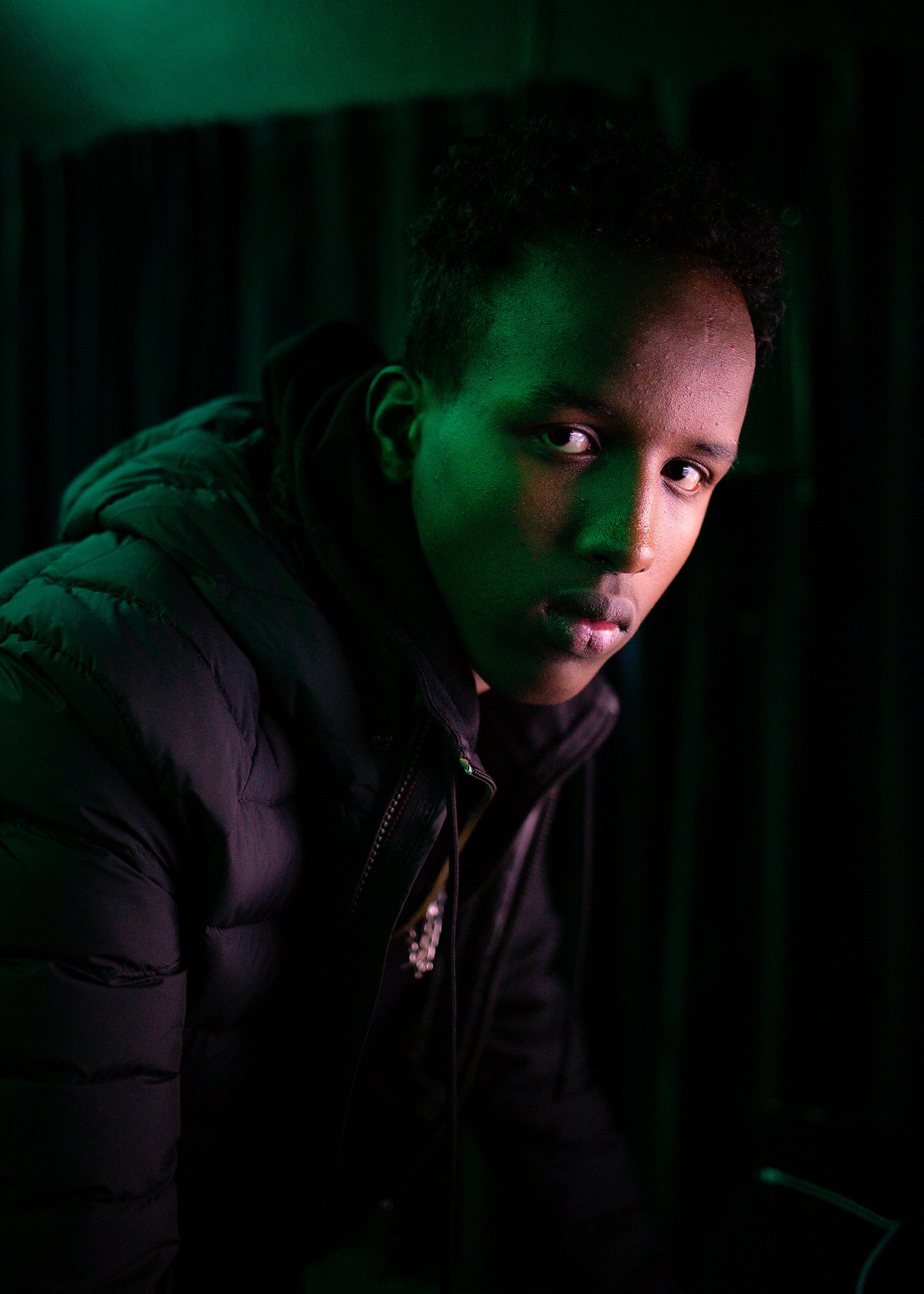
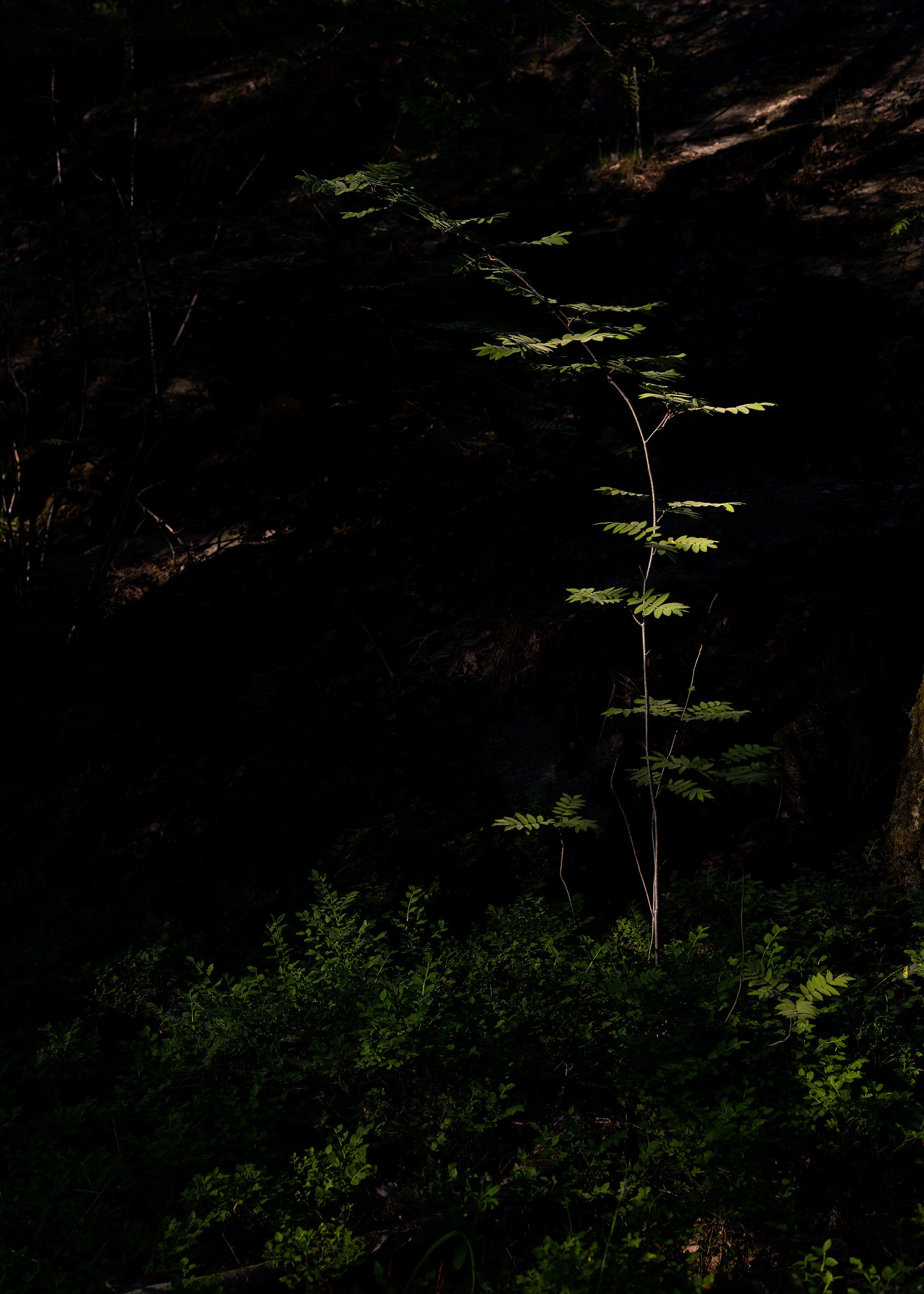
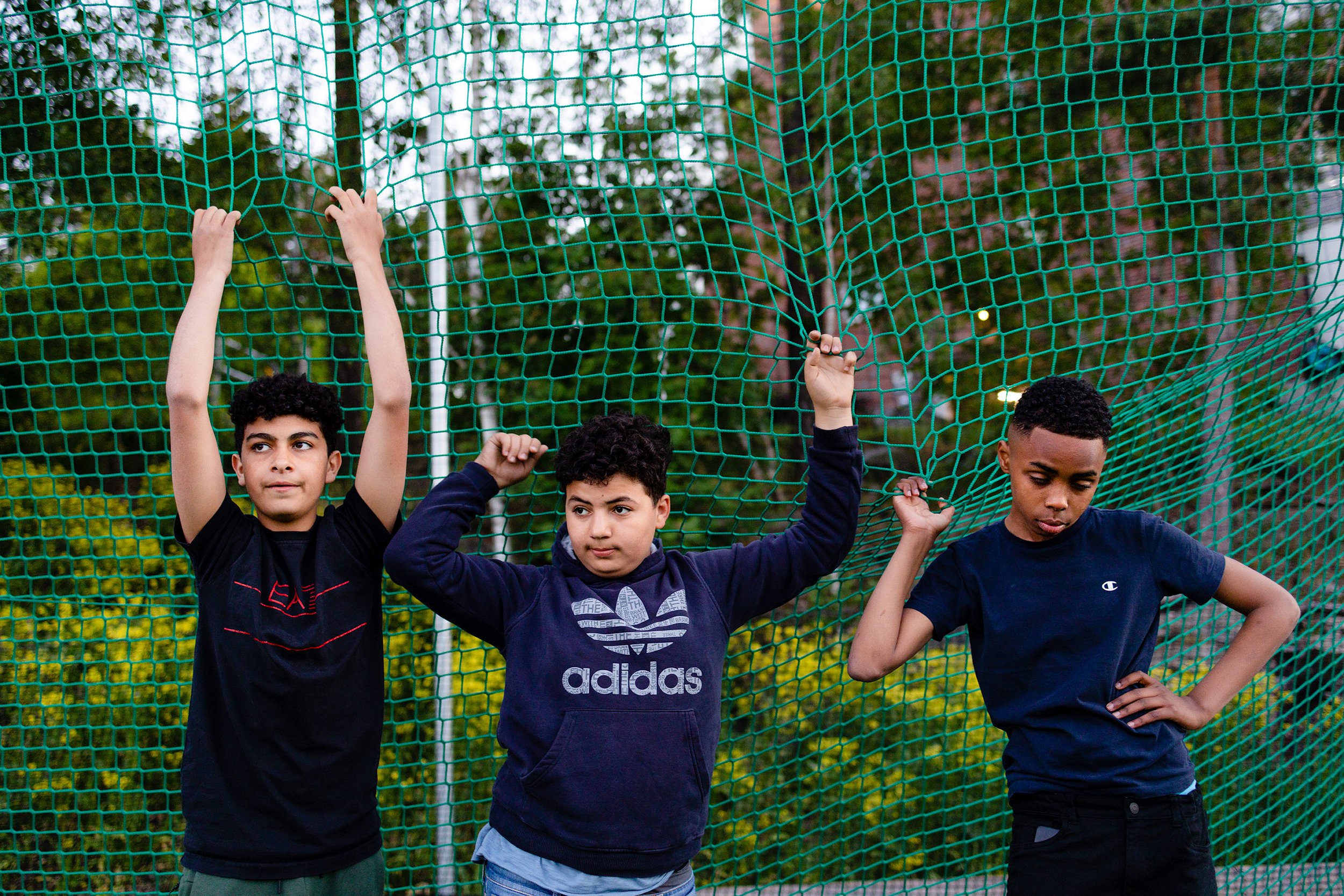
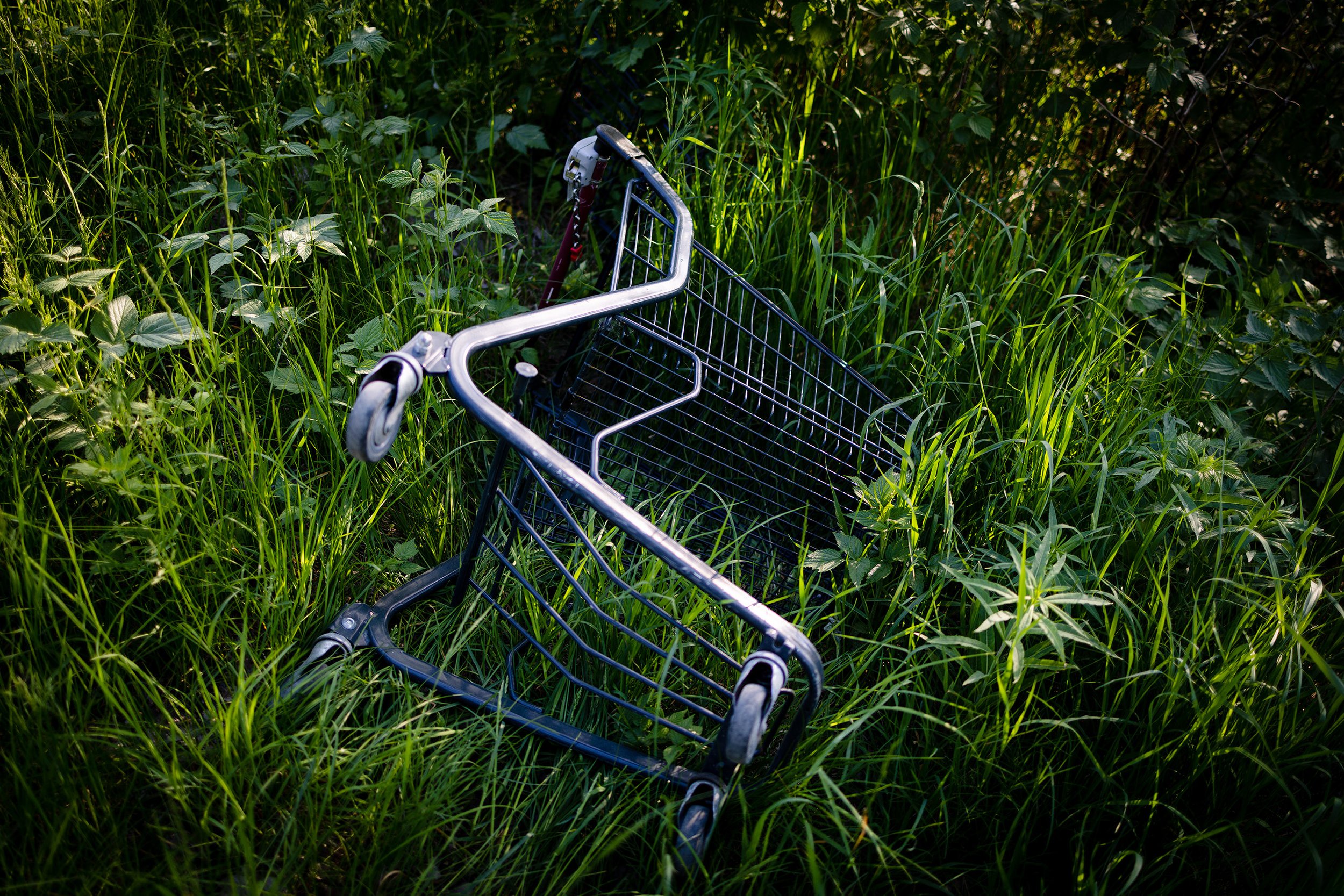
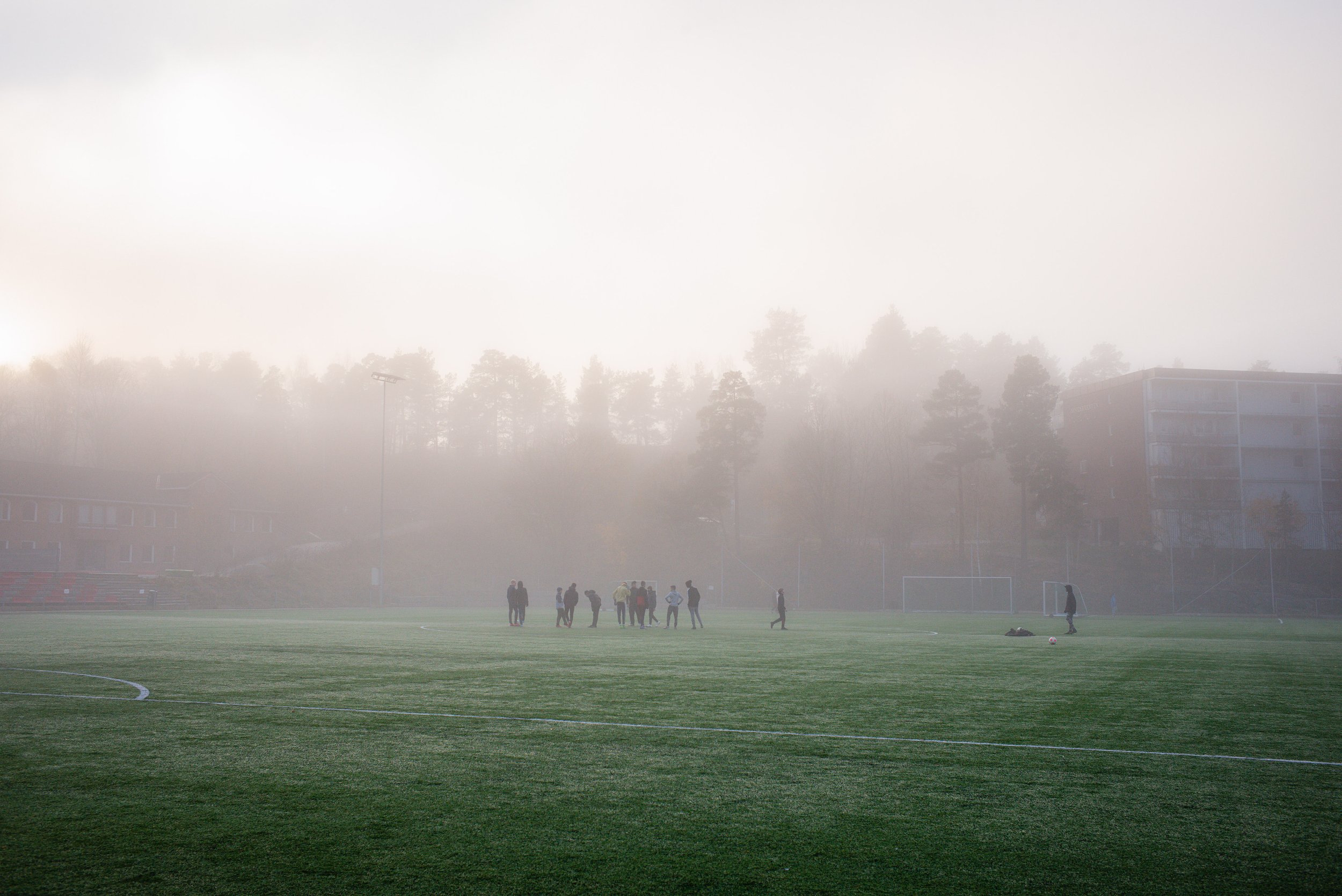
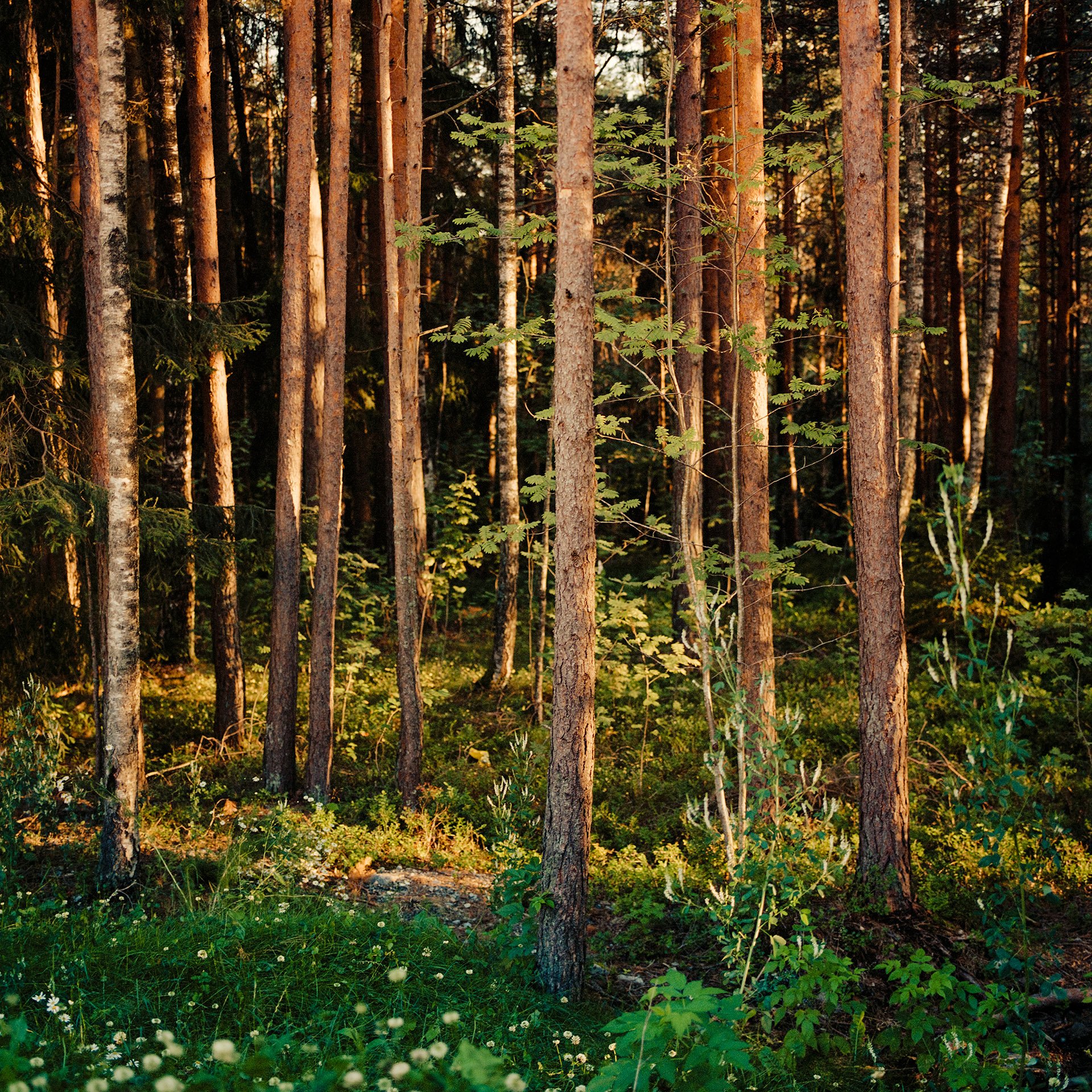
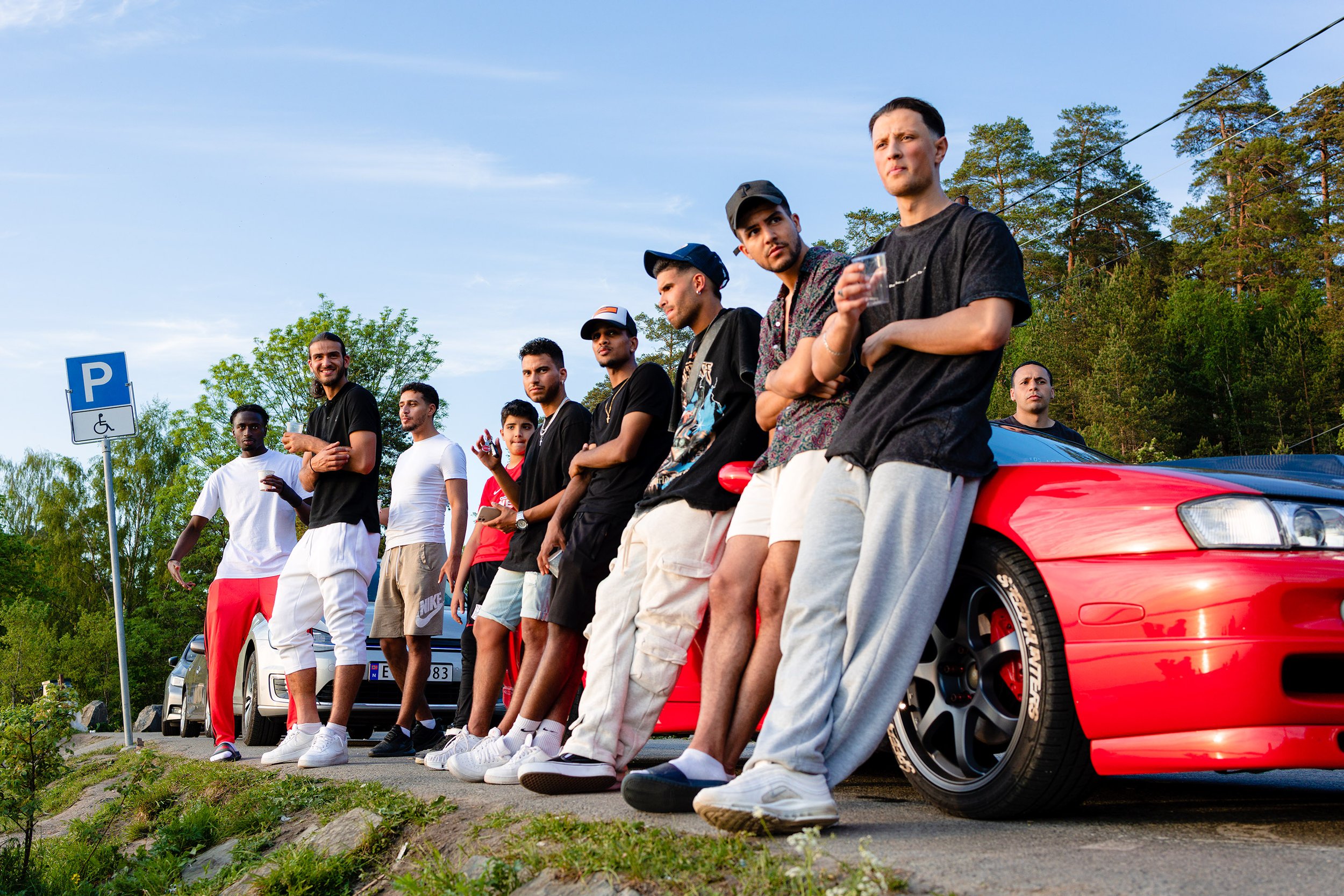
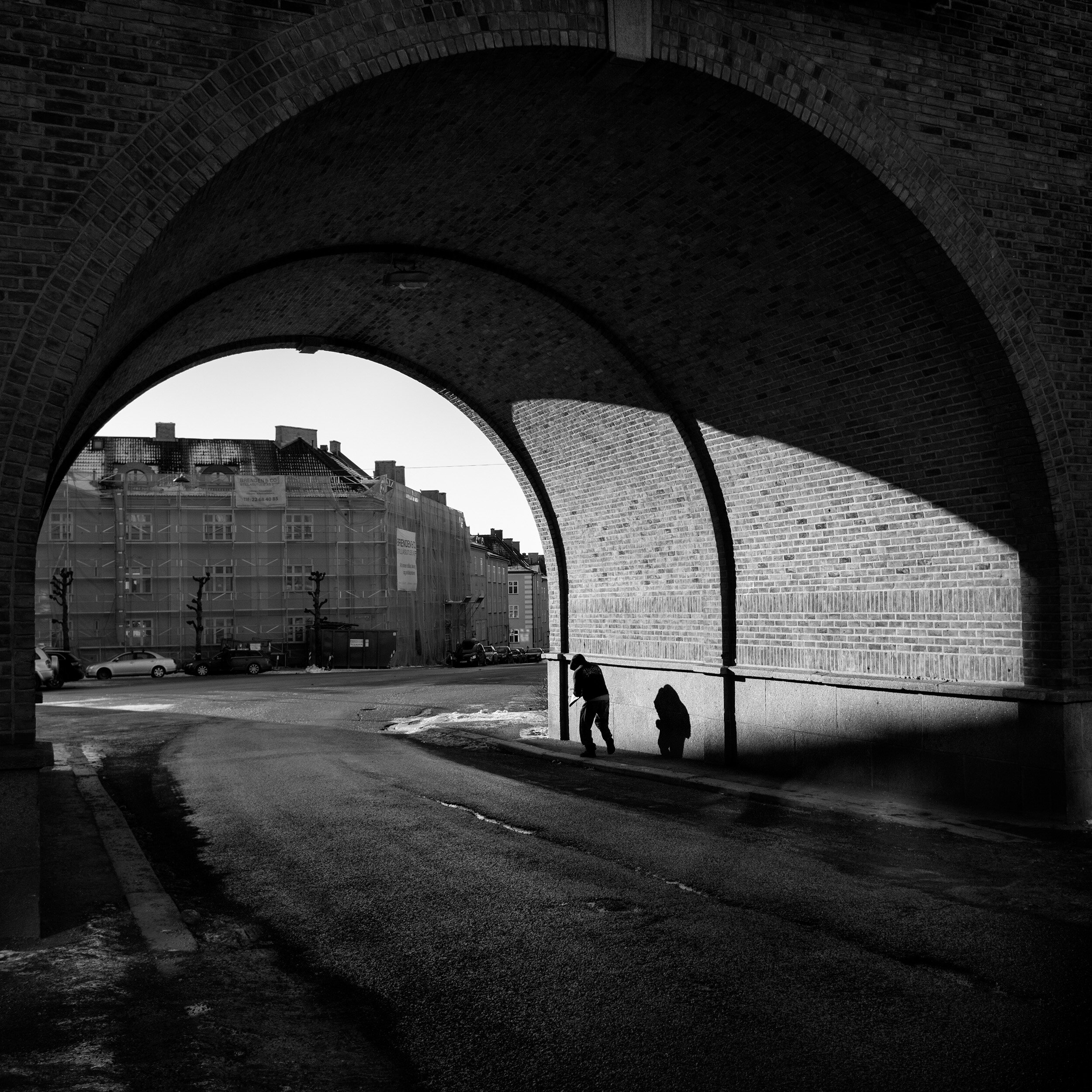
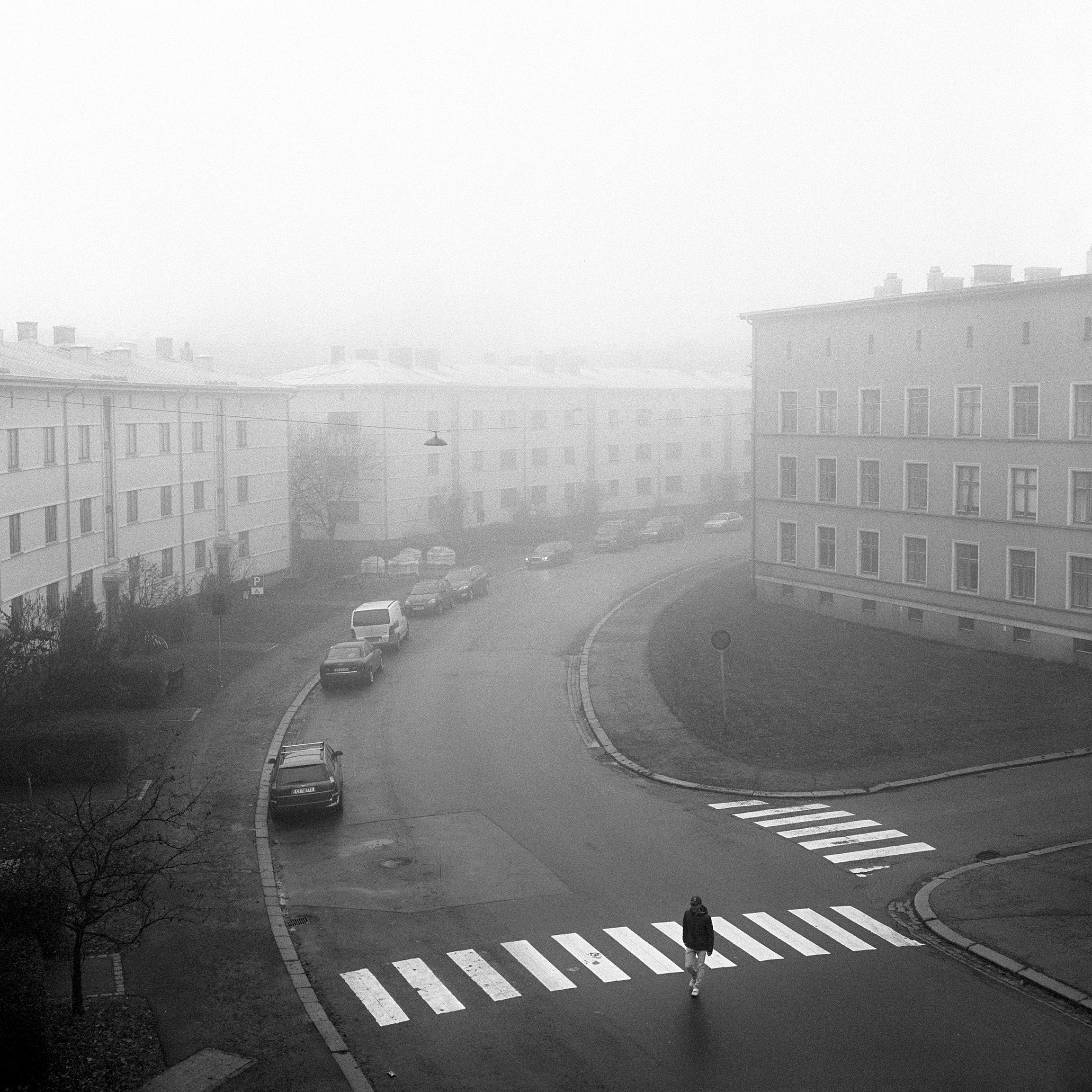
I grew up in Holmlia, a suburb of Oslo. Nestled between the forest and the fjord, Holmlia is home to people from all corners of the world.
I had a happy childhood there. However, after moving to the inner city as a teenager, I gradually became aware of the prejudices that existed toward people from Holmlia, especially those with an ethnic minority background.
As the years passed, media coverage increasingly focused on young men becoming involved in crime. Statistics also painted a troubling picture, pointing to high school dropout rates, unemployment, and a higher concentration of low-income families in the area.
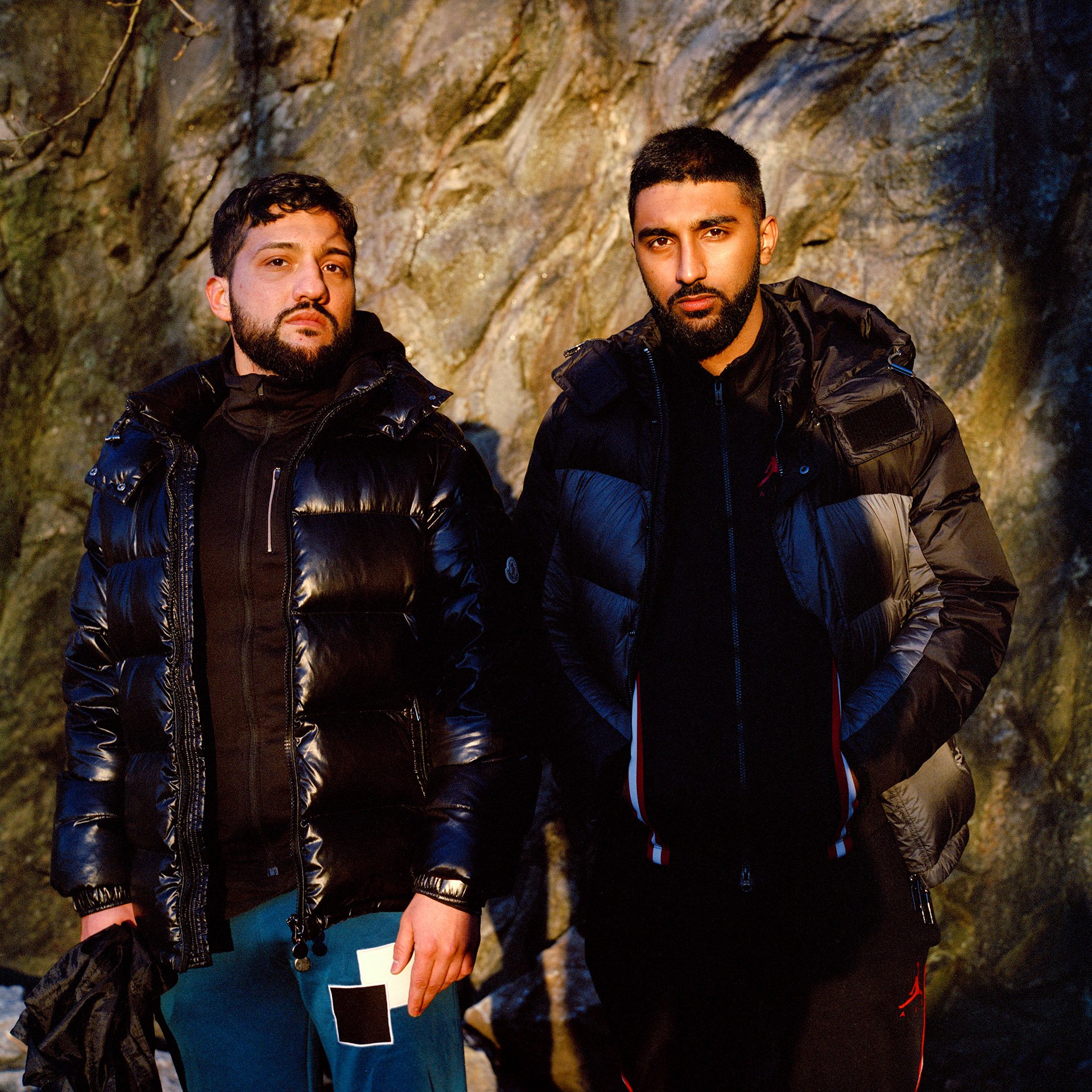
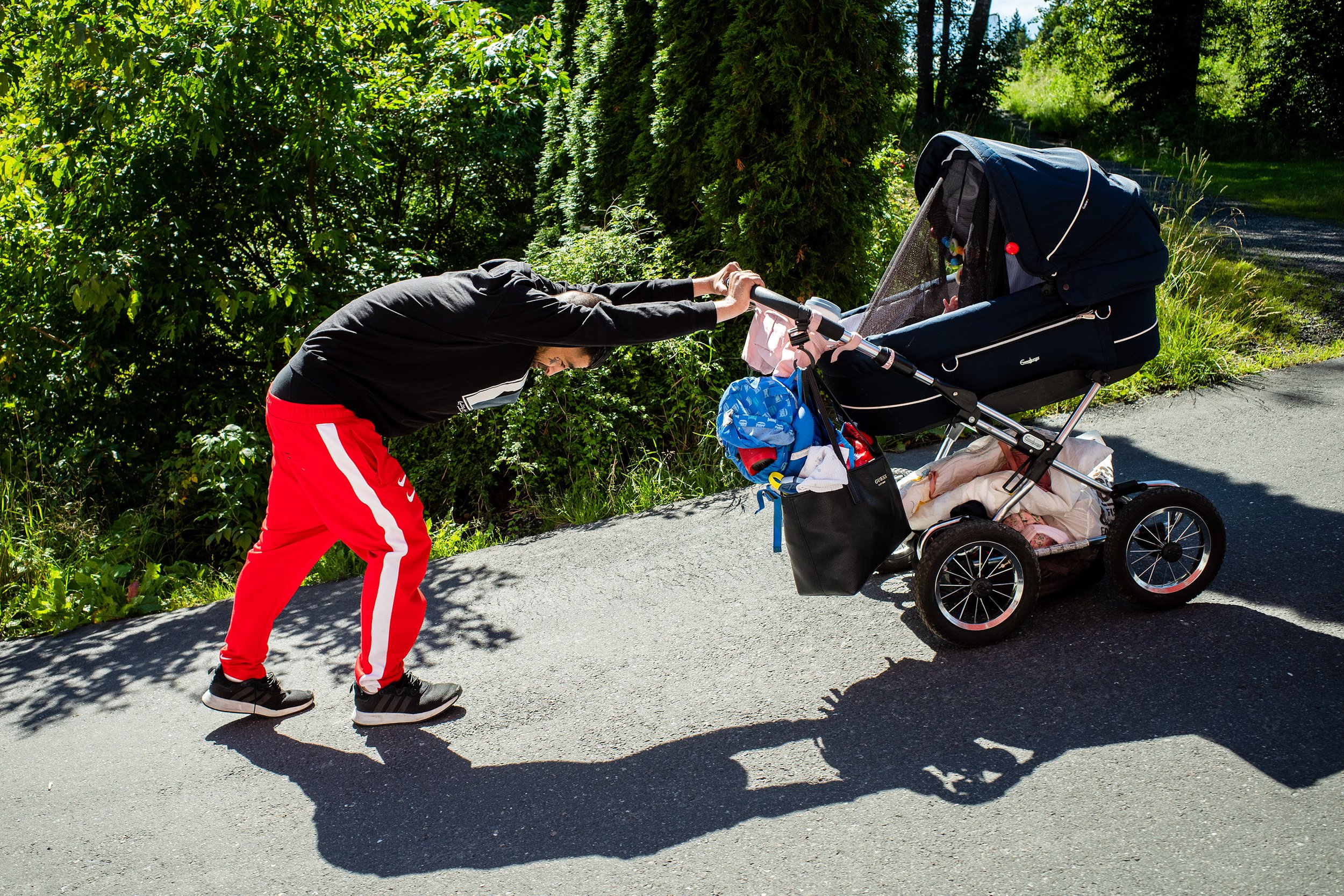
After being away from my safe haven for nearly a decade, I began to wonder whether Holmlia had changed. Had it become the troubled place often portrayed in the media? I decided to return and photograph young men in their everyday lives while exploring whether my home was truly different from the place I remembered.
What I found was a group of young men who were fully aware of the stigma attached to their neighborhood. In response, they supported and cared deeply for one another, often using the term "bror" (brother) as a sign of trust, solidarity, and belonging. I also rediscovered the nature, calmness, and sense of community that I had forgotten were such an important part of growing up there.
Just as we grew up with limited resources, these young men carry dreams that far exceed the opportunities often associated with their neighborhood. Through this work, I seek to challenge simplified narratives and create a more nuanced portrait of a community that is too often defined by statistics and headlines rather than by the people who live there.
This project has been part of the professional mentor-program Norwegian Journal of Photography 5th edition, and received financial support from the Fritt Ord Foundation and Kunstsentrene i Norge.
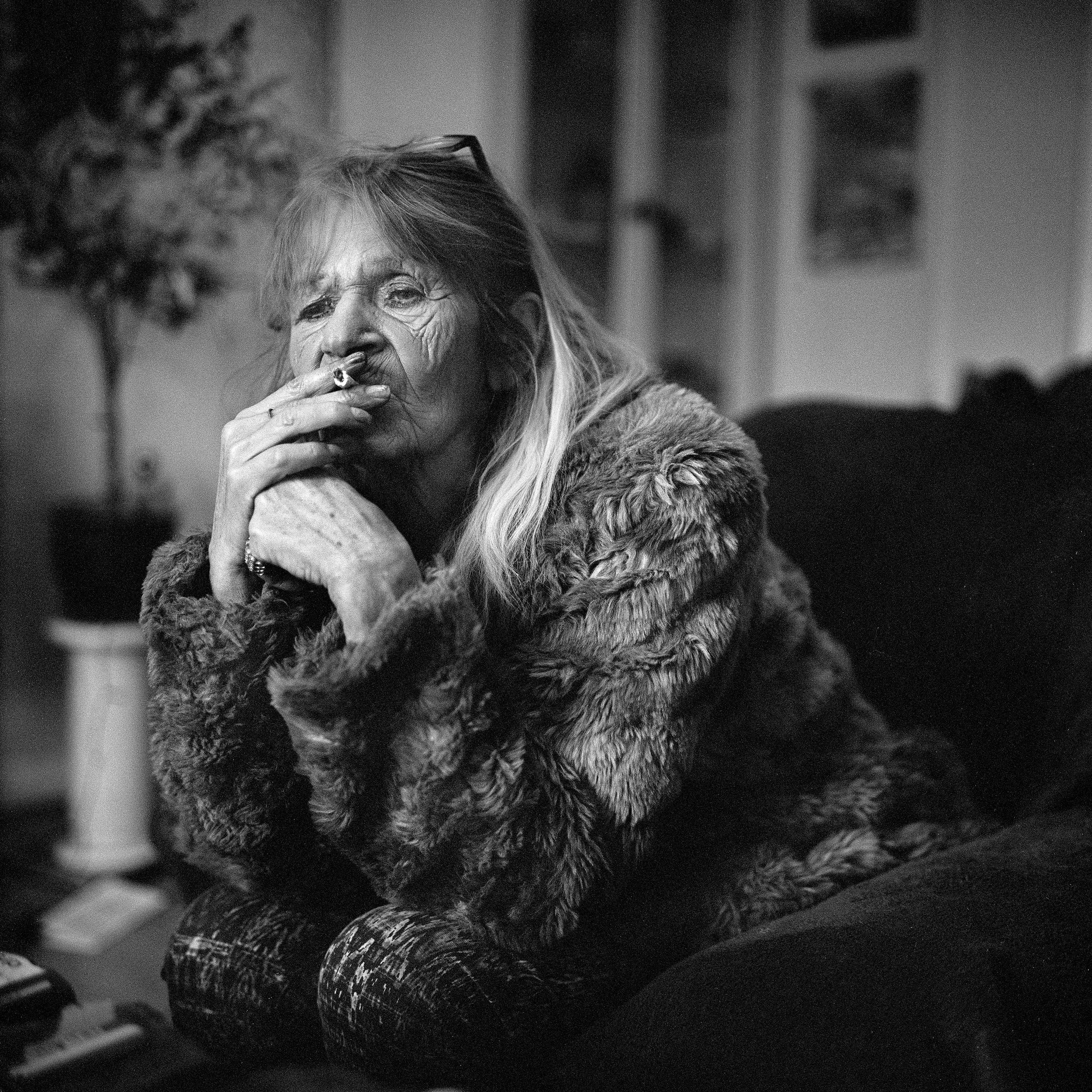
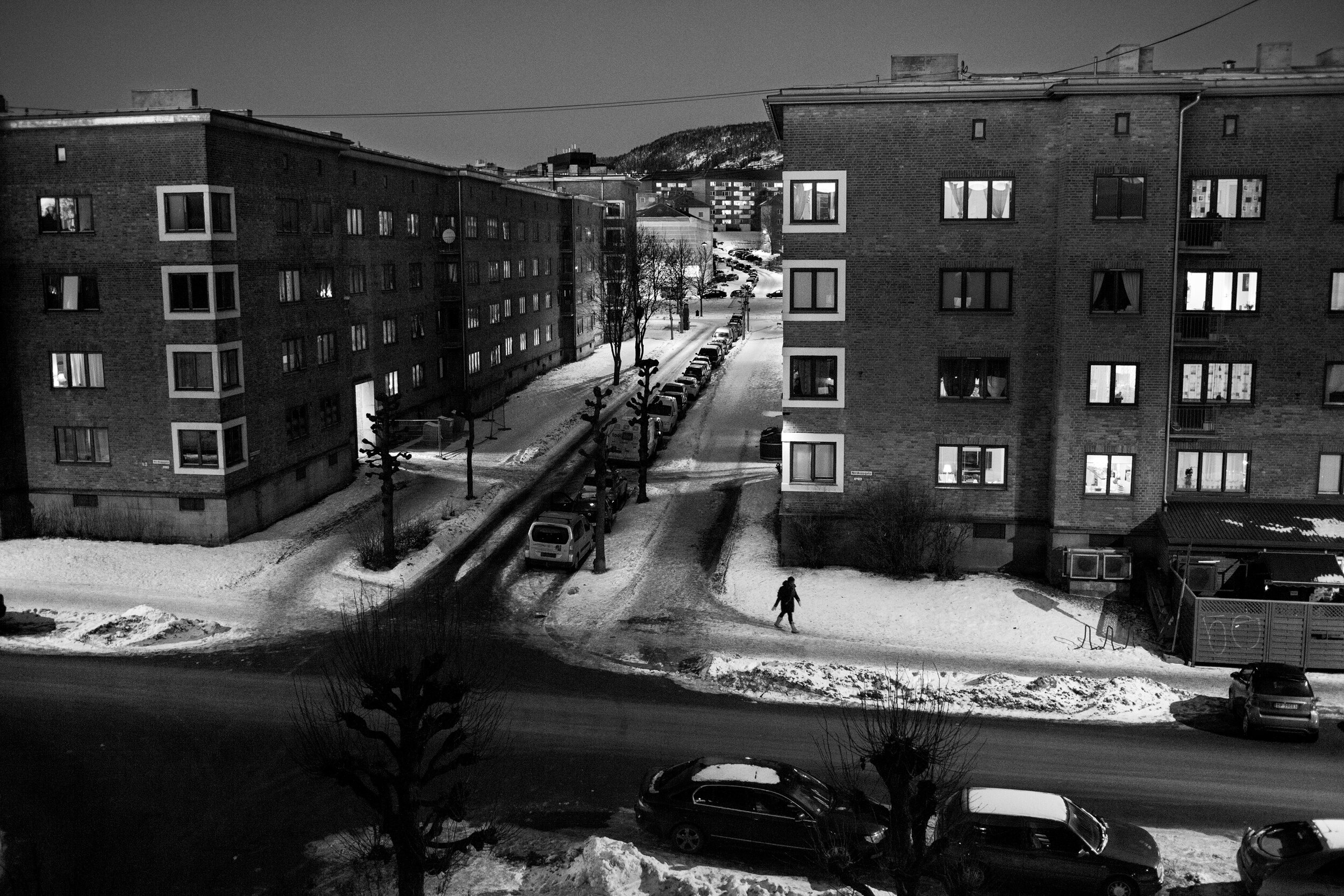
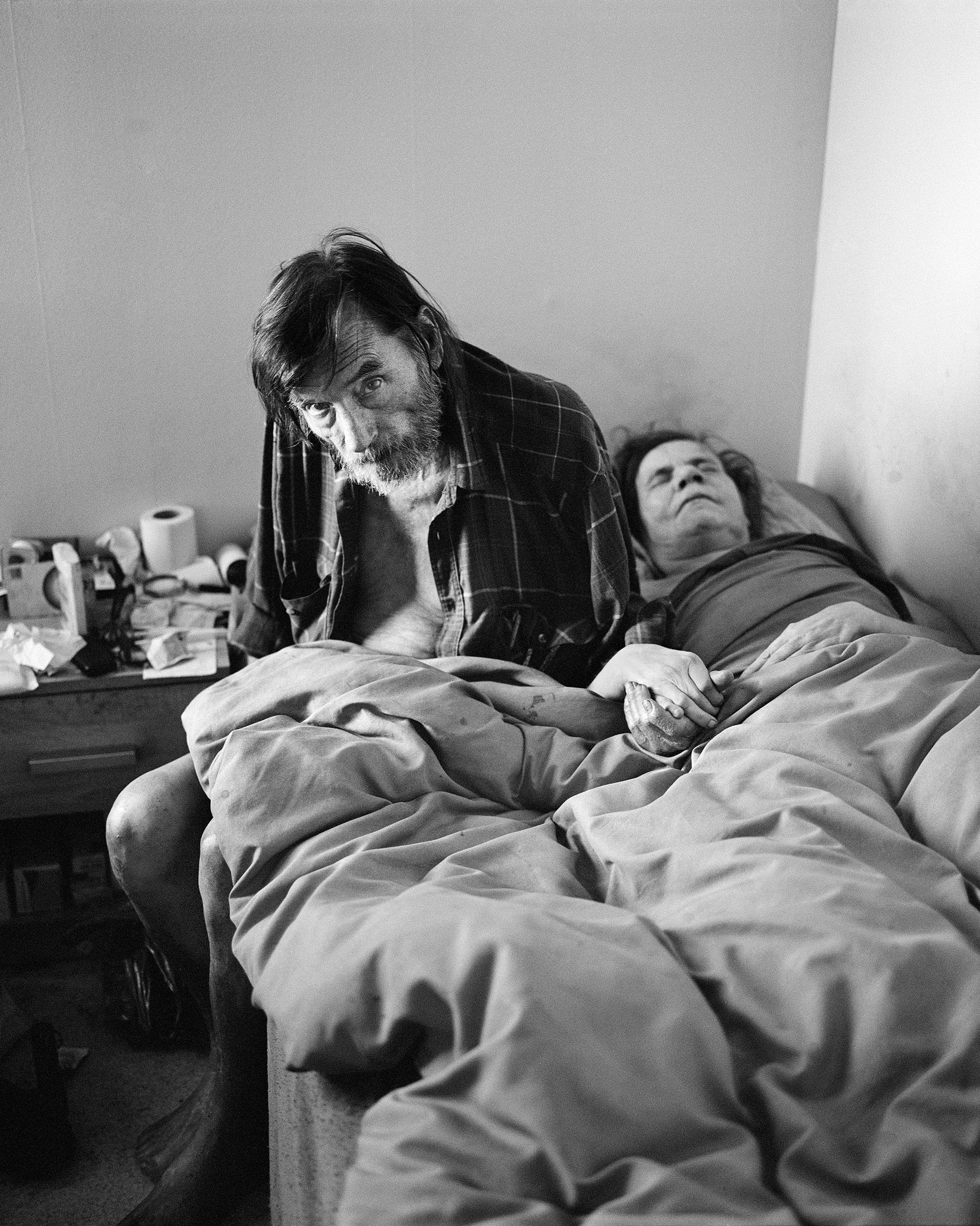
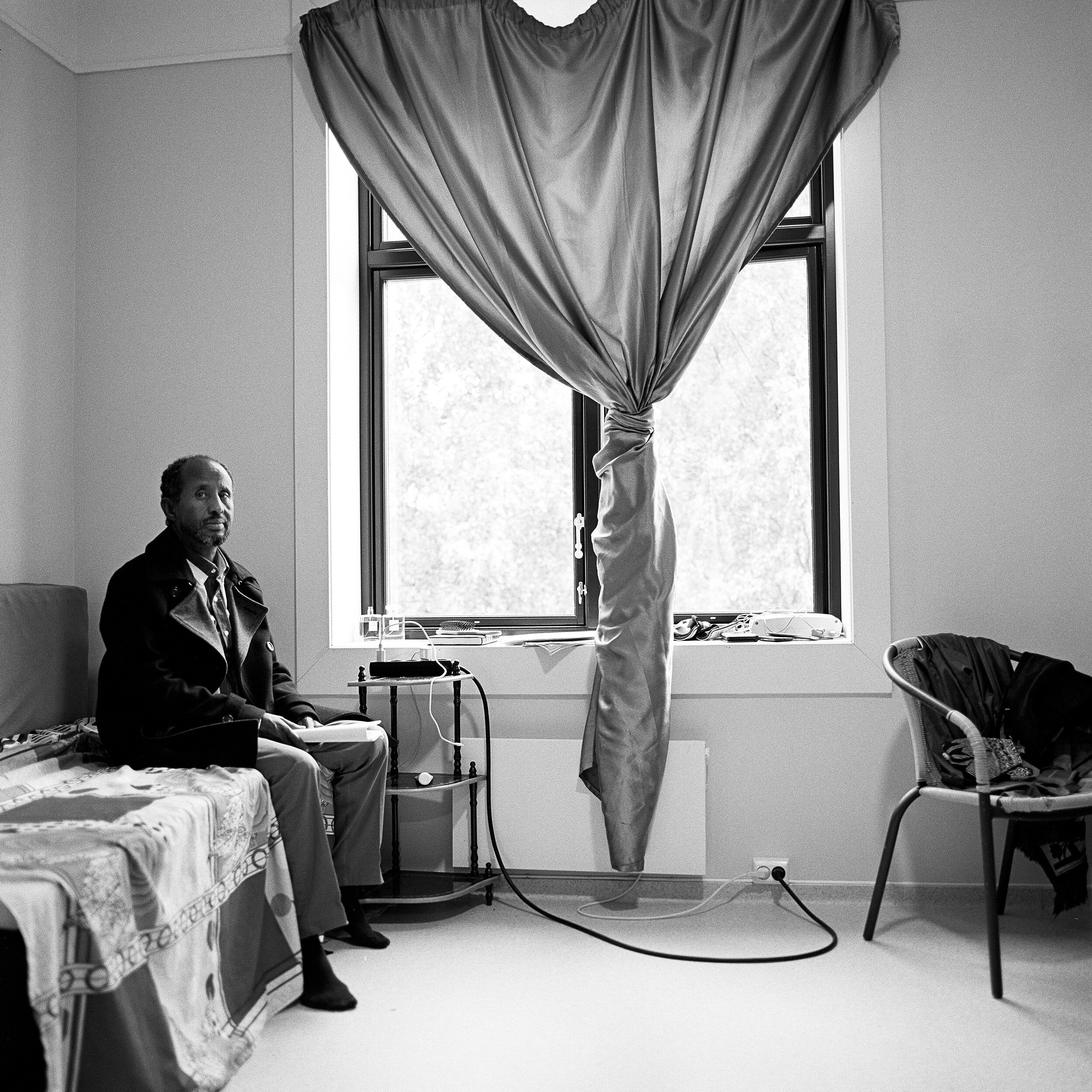
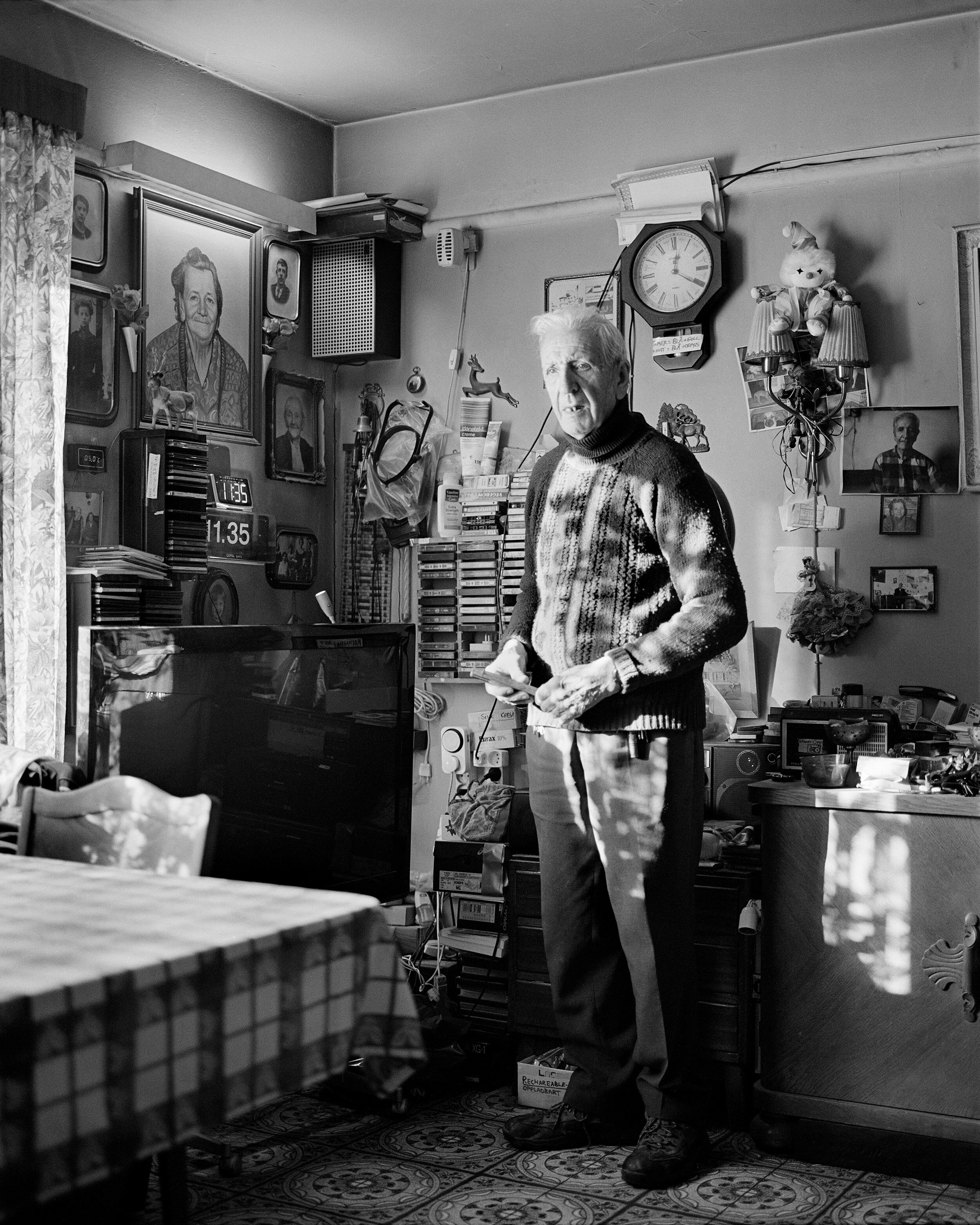
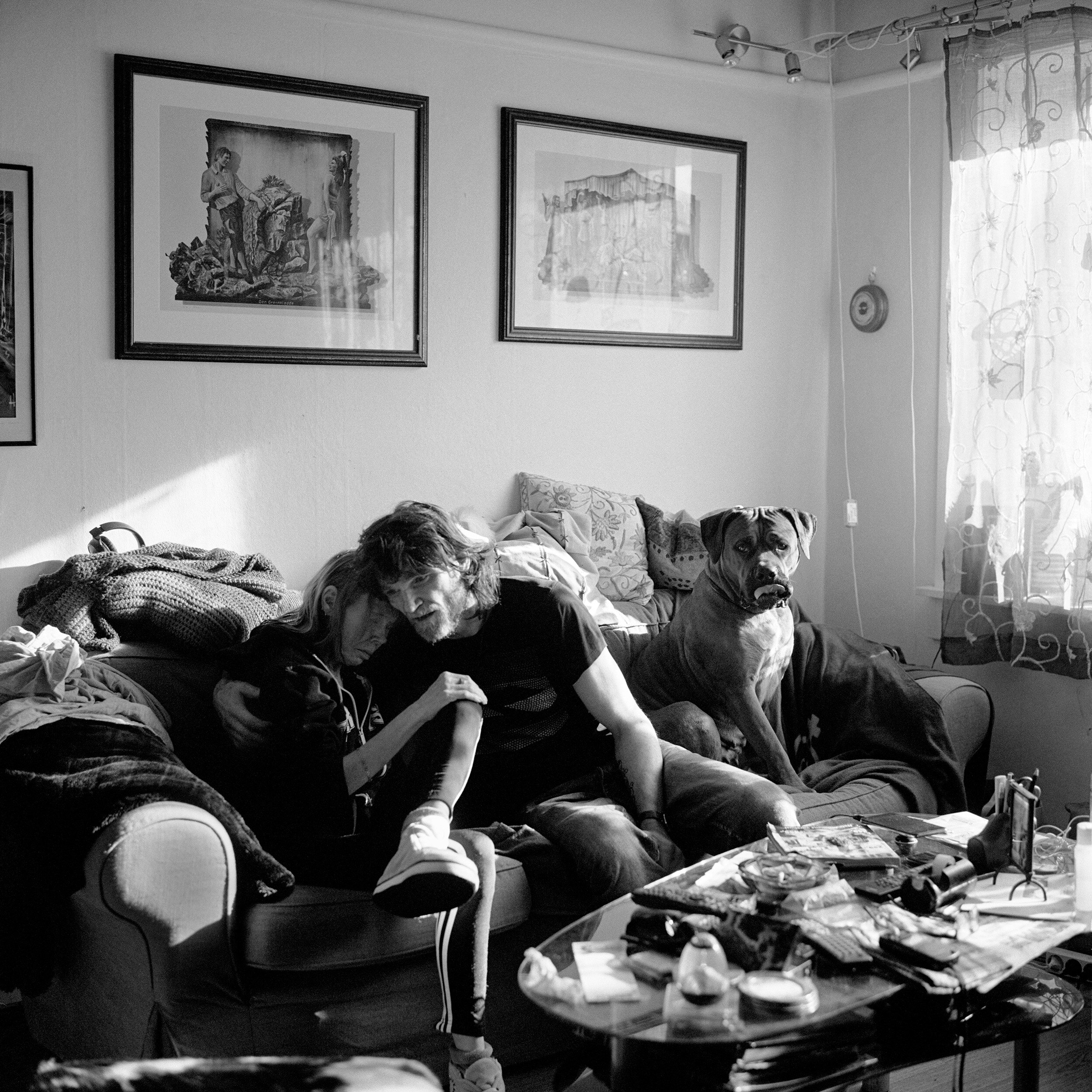
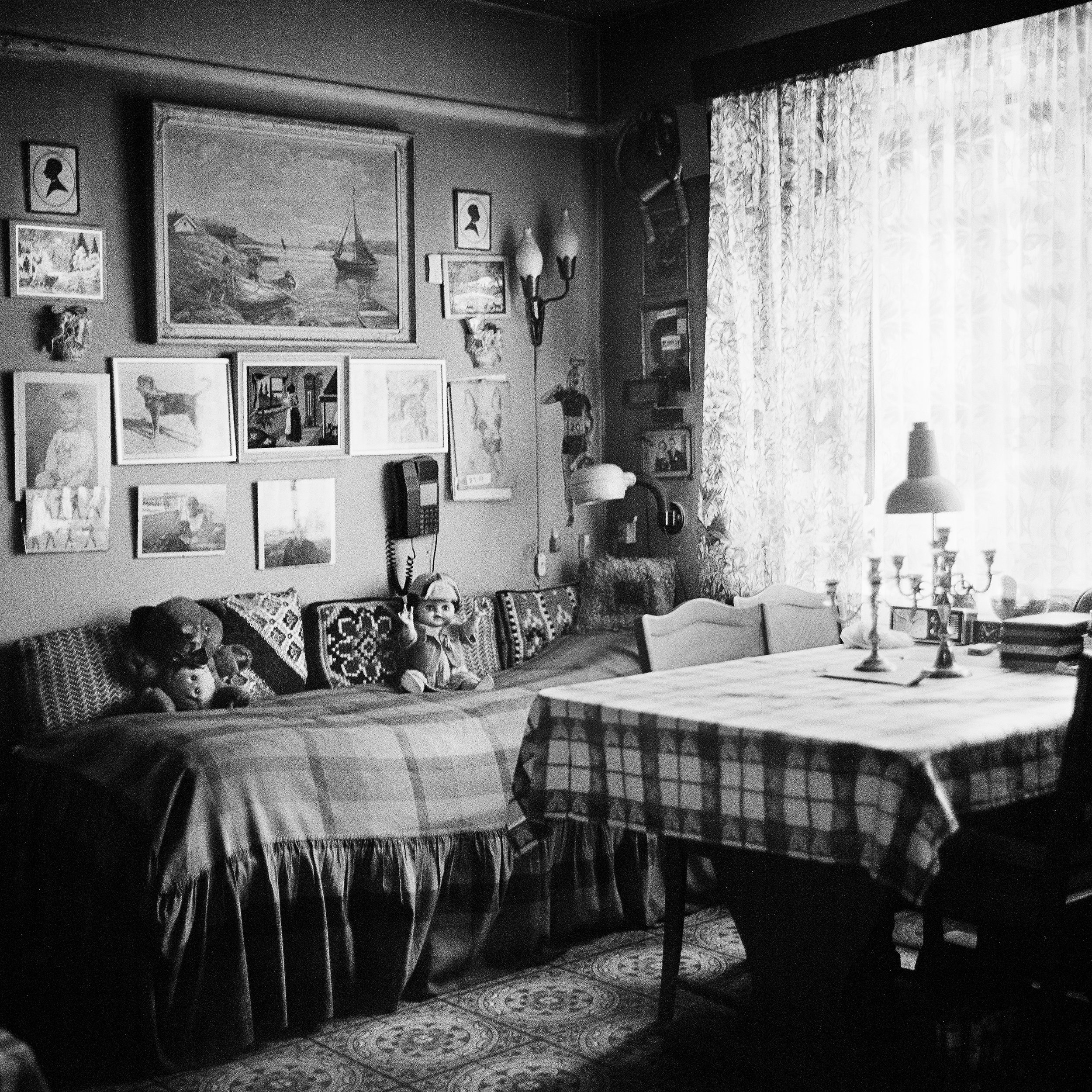
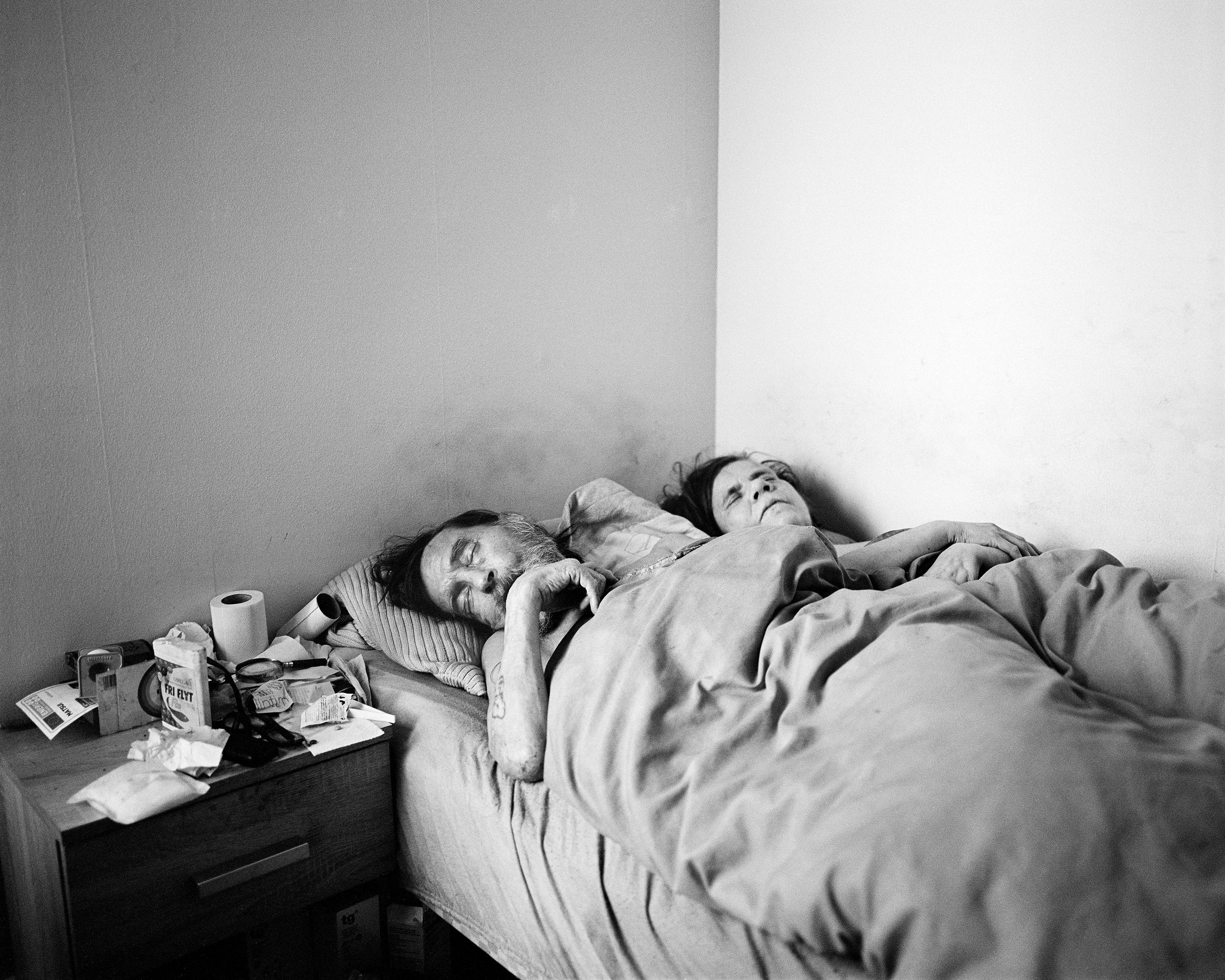
Bygården is a long-term photographic project documenting life in a public housing complex in Torshov, Oslo. Built in the early 1930s, the development was intended to provide quality housing for a proud and expanding working class.
As Norway's economy transformed with the rise of the oil industry, more people entered the middle class and many families moved on. Gradually, the neighborhood came to accommodate residents facing a range of social challenges.
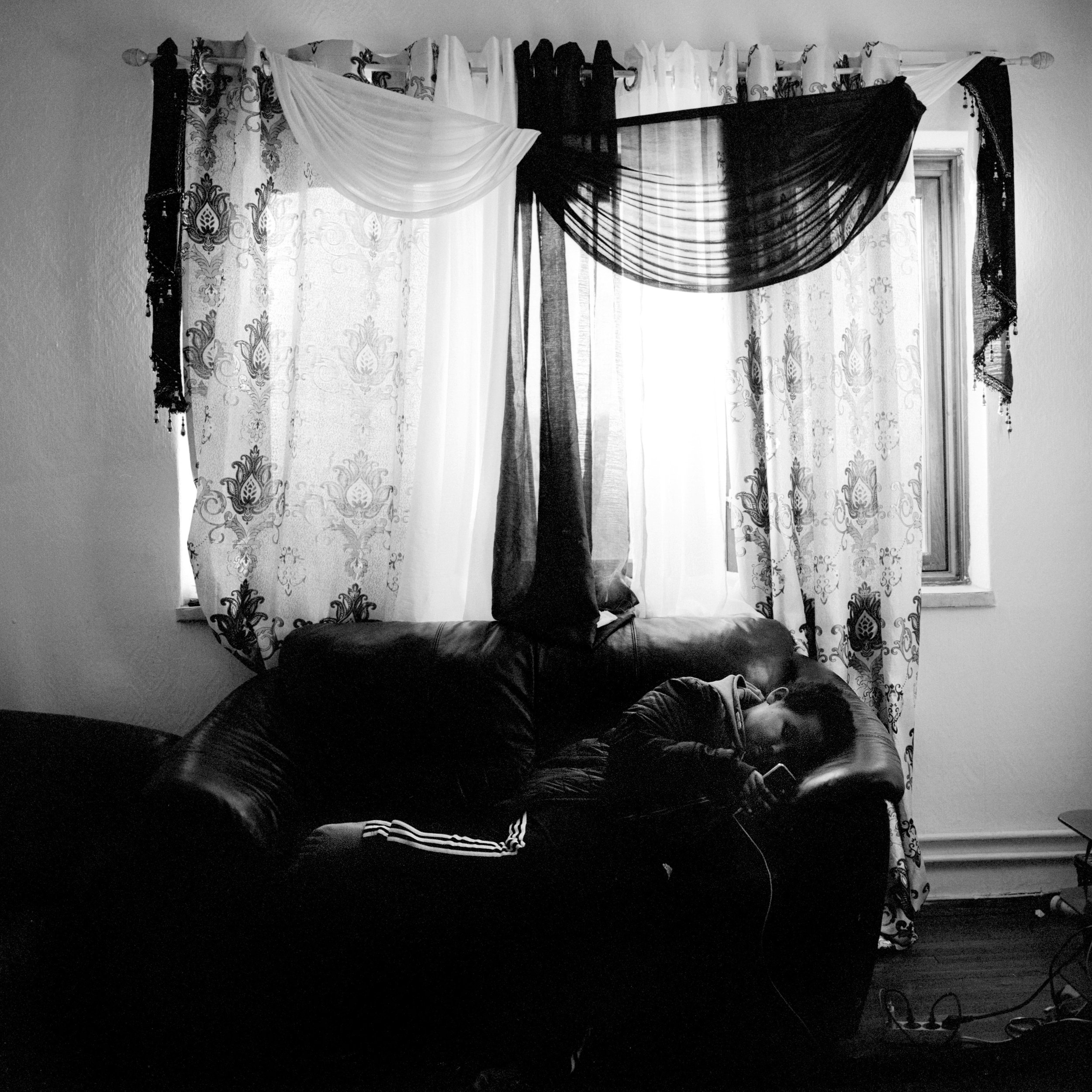
Today, the community consists of low-income families, long-term elderly residents, and people living with mental health and substance-use issues. The project examines how class, welfare, and urban change are reflected in the lives of those living here.
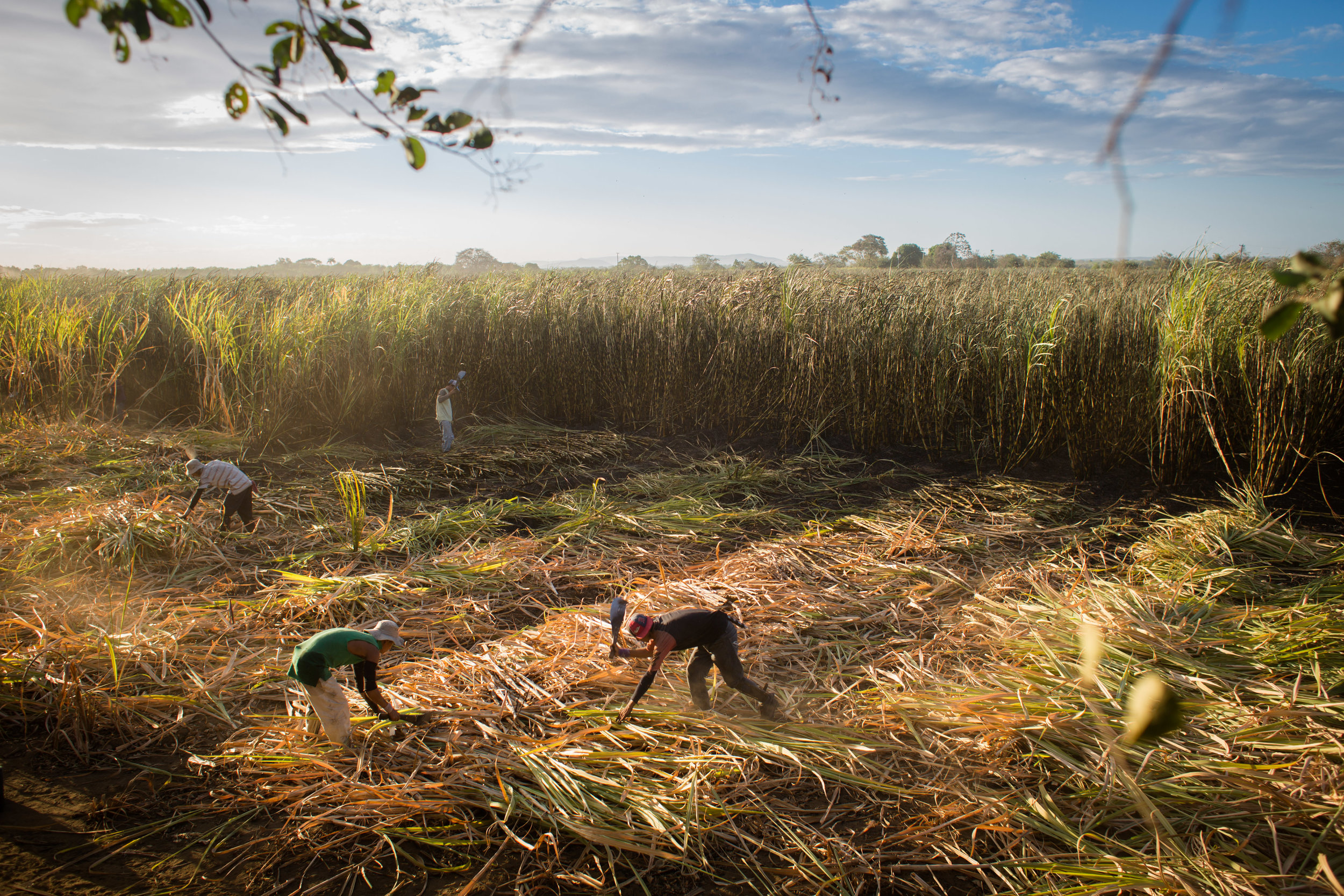
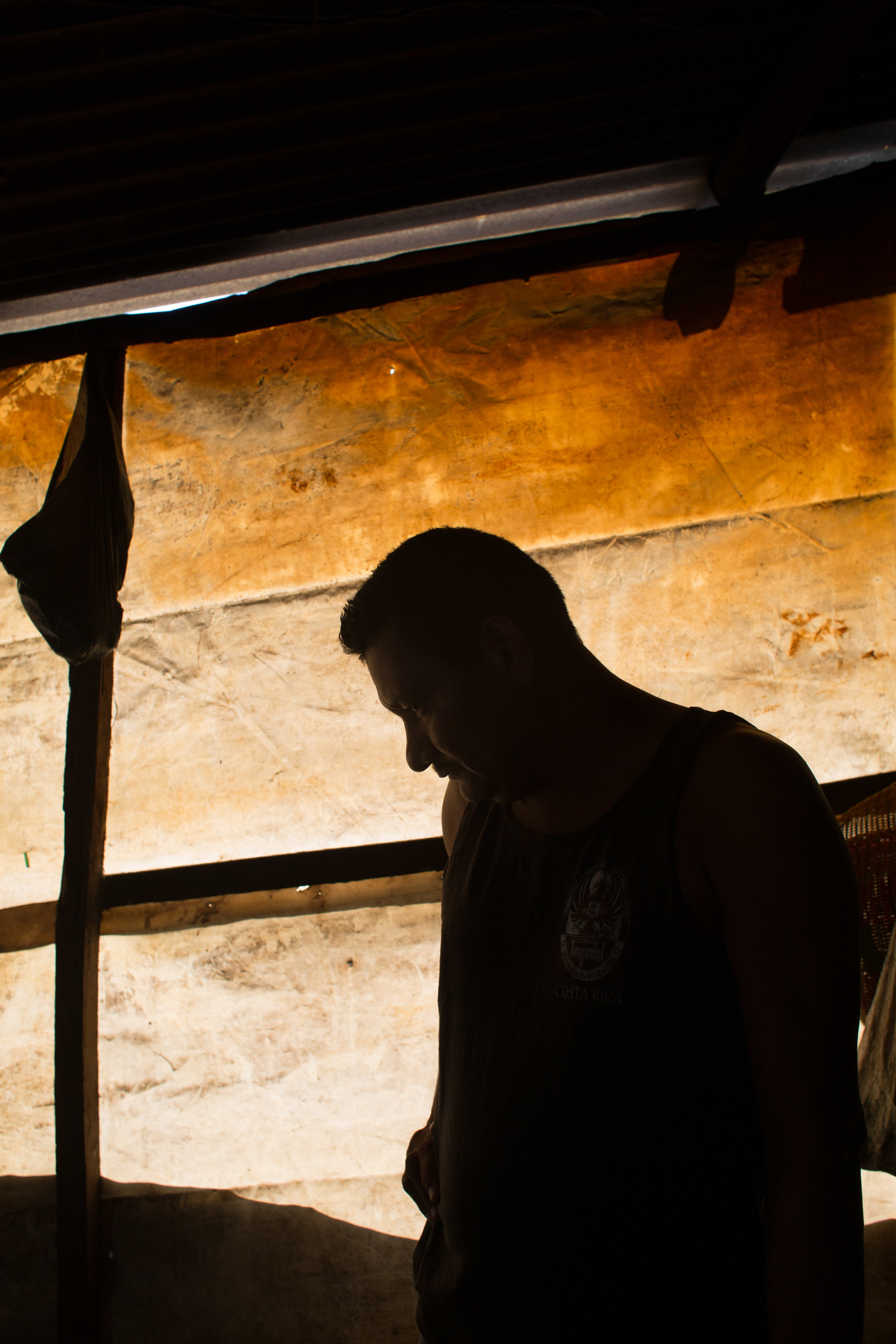
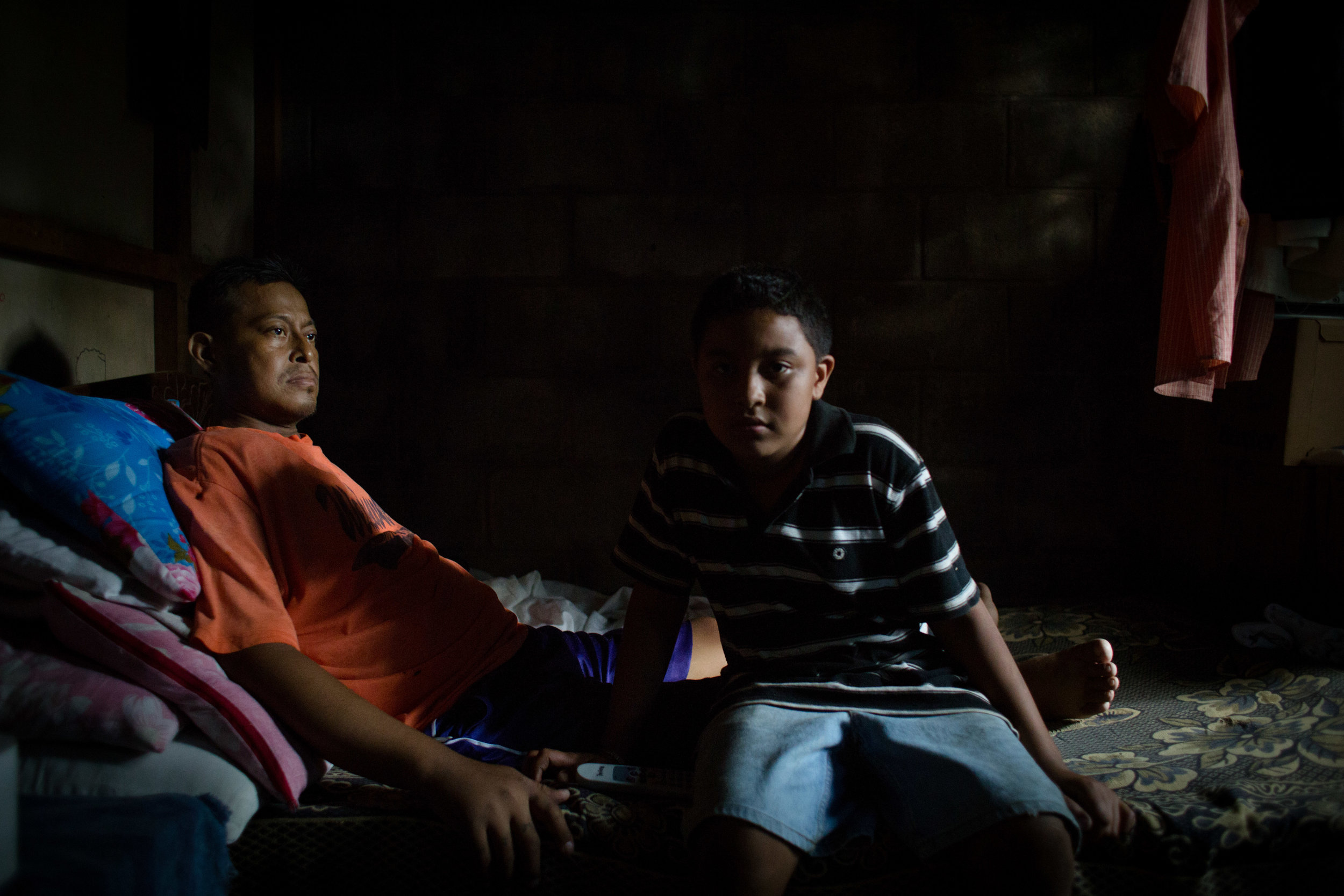
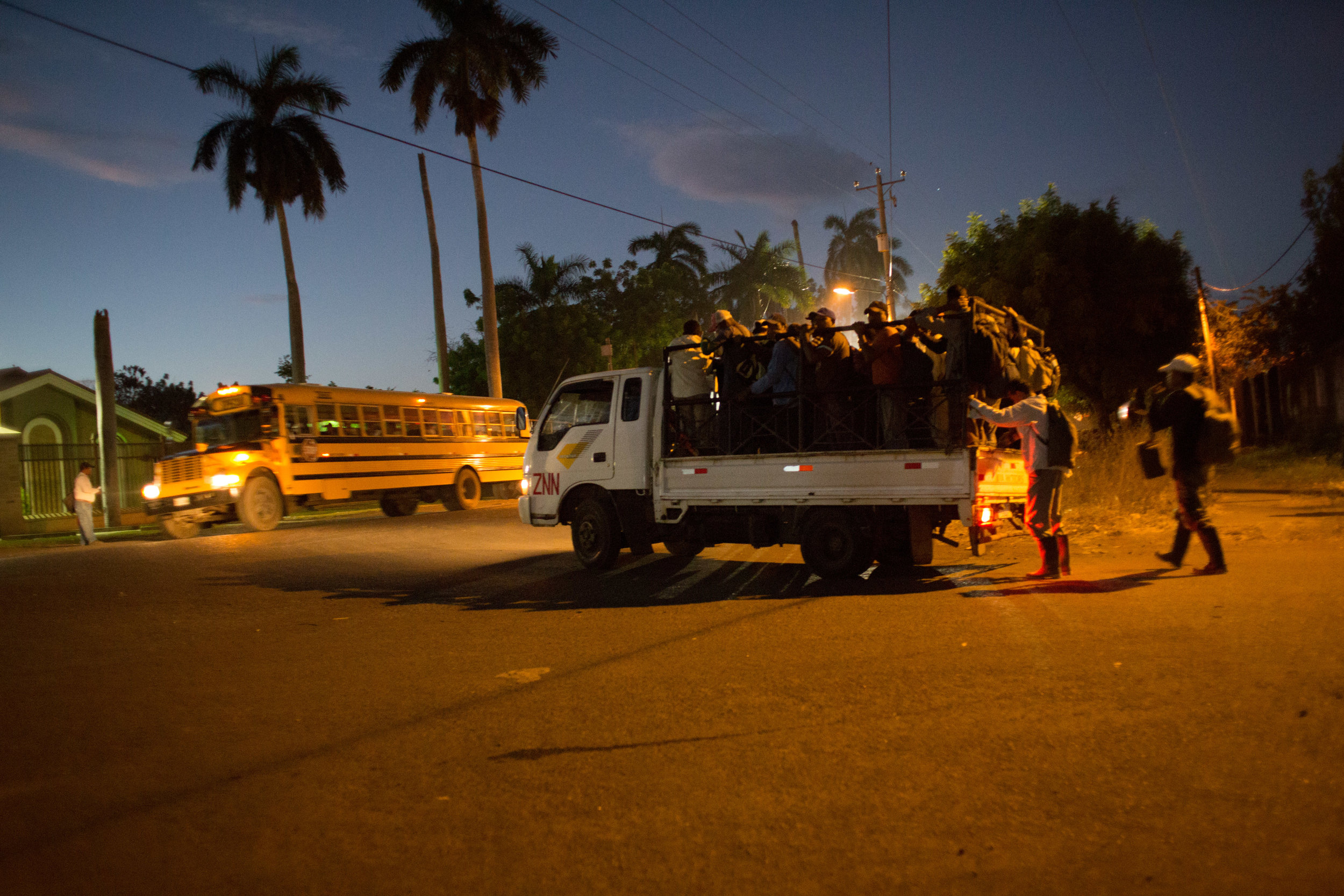
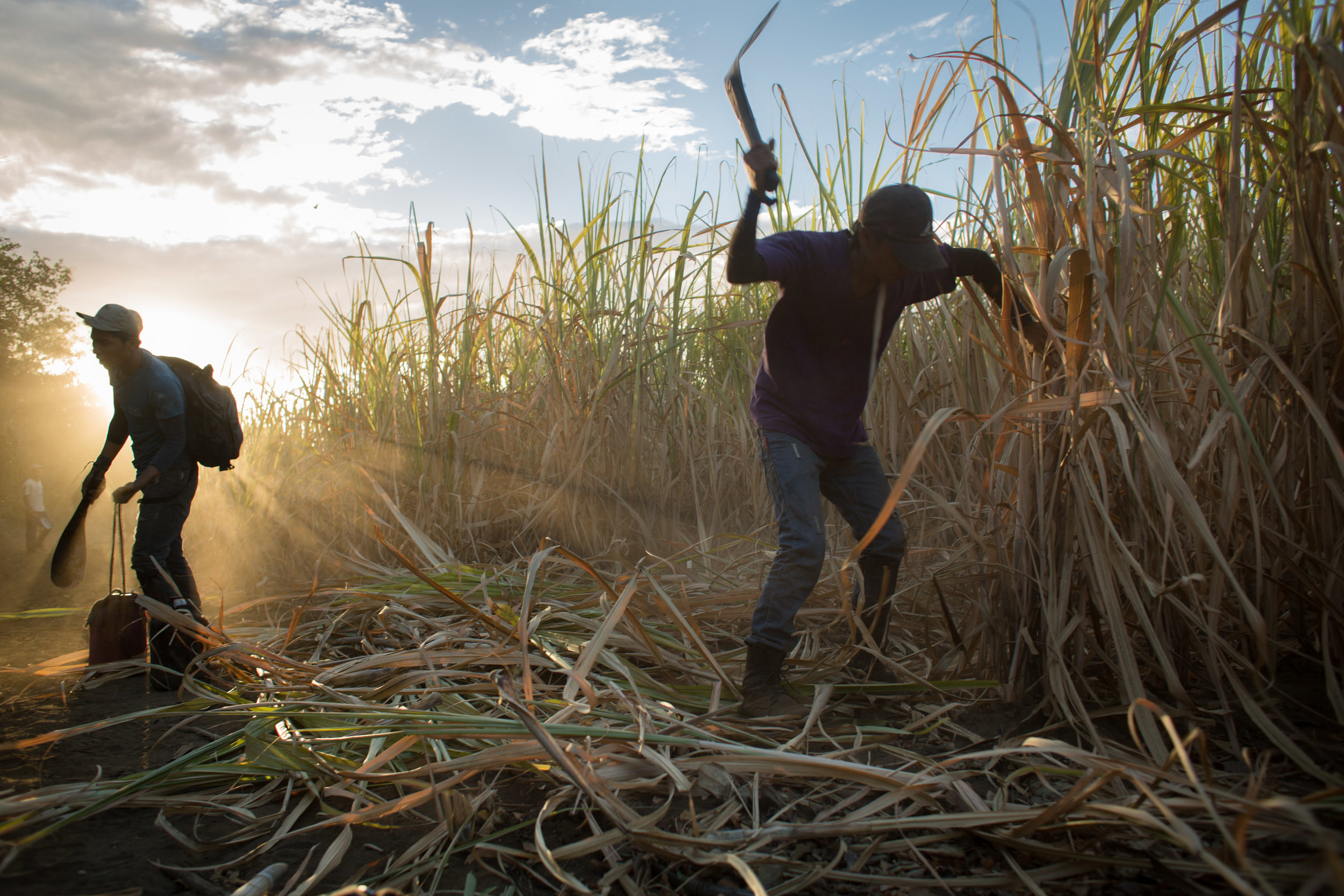
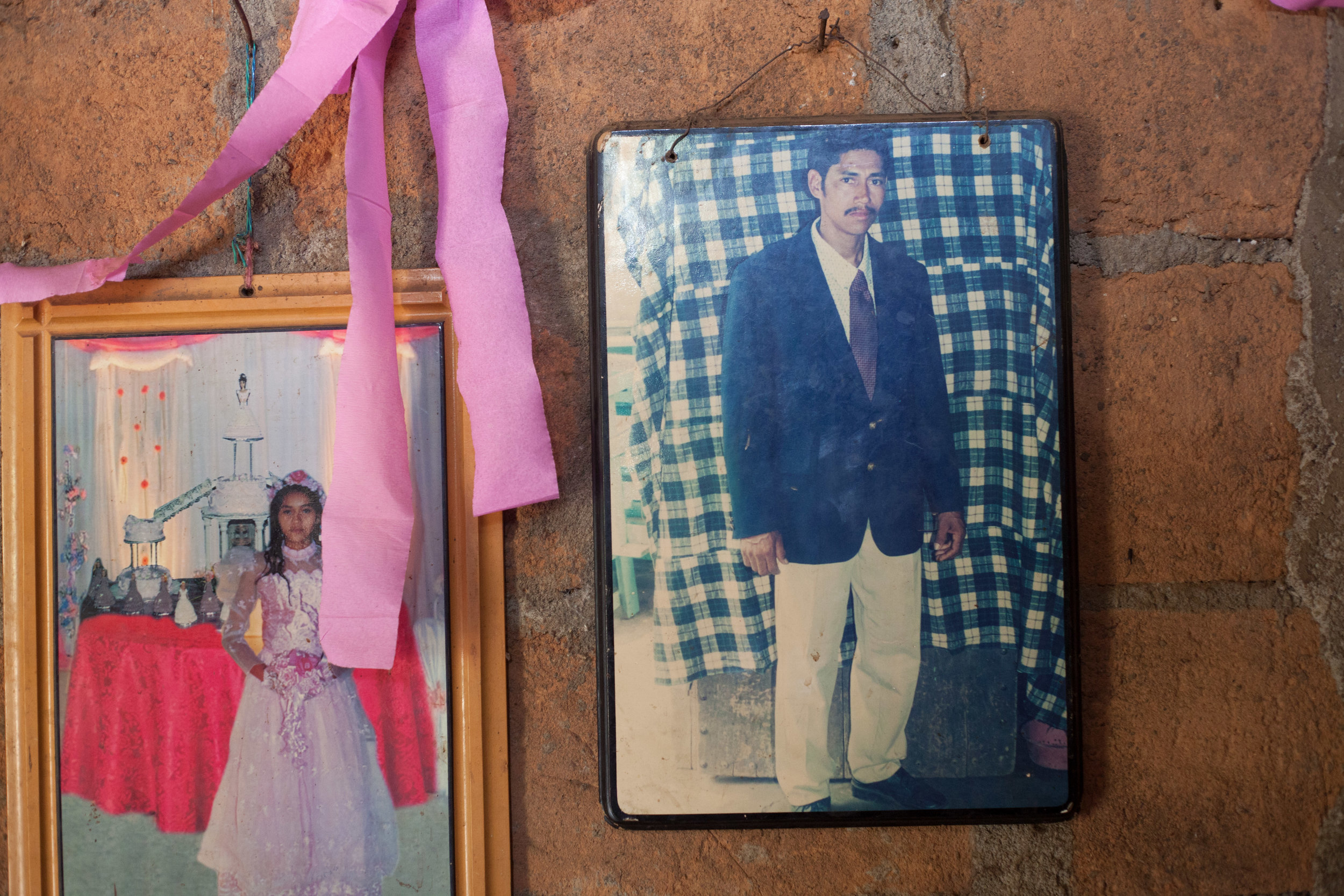
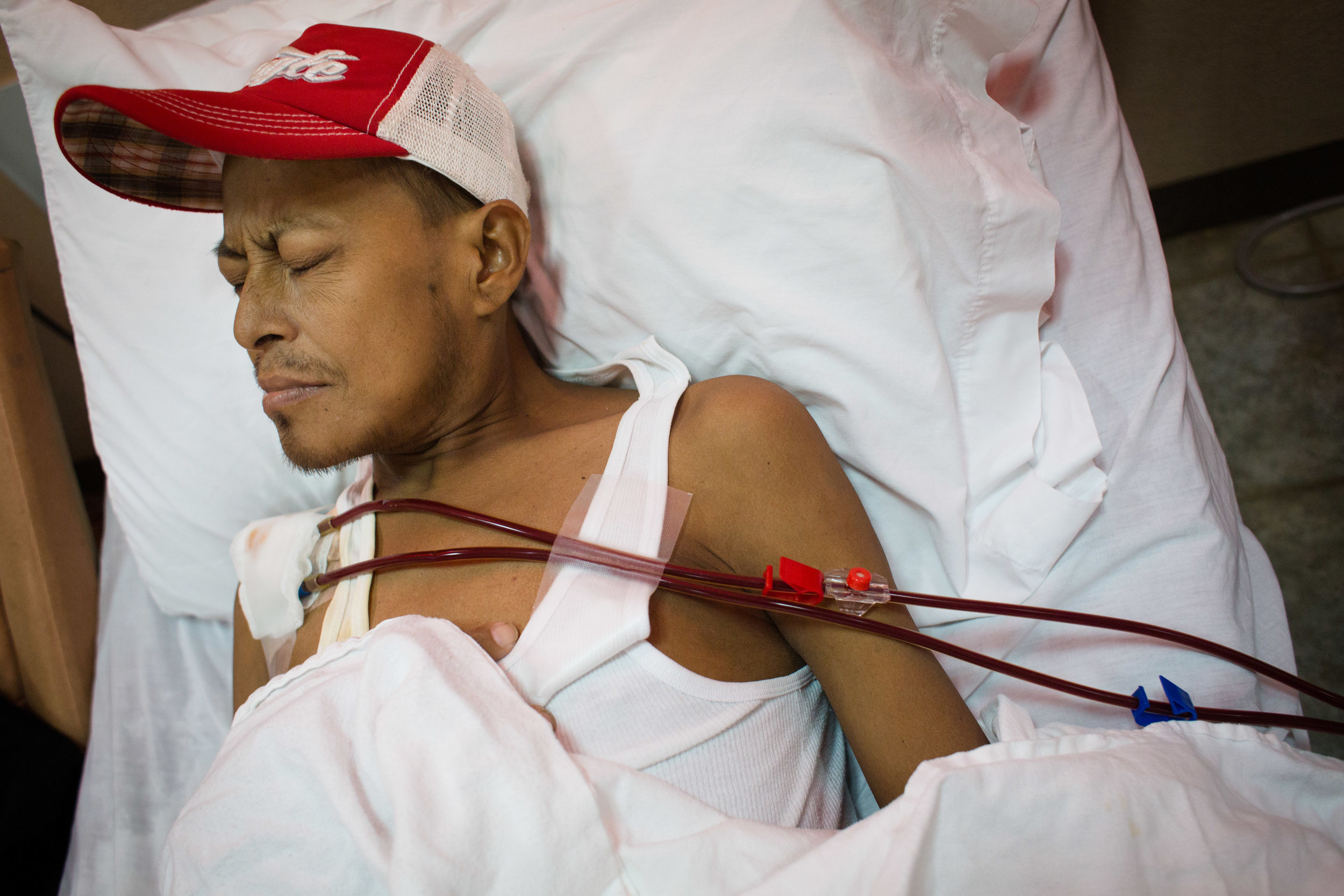
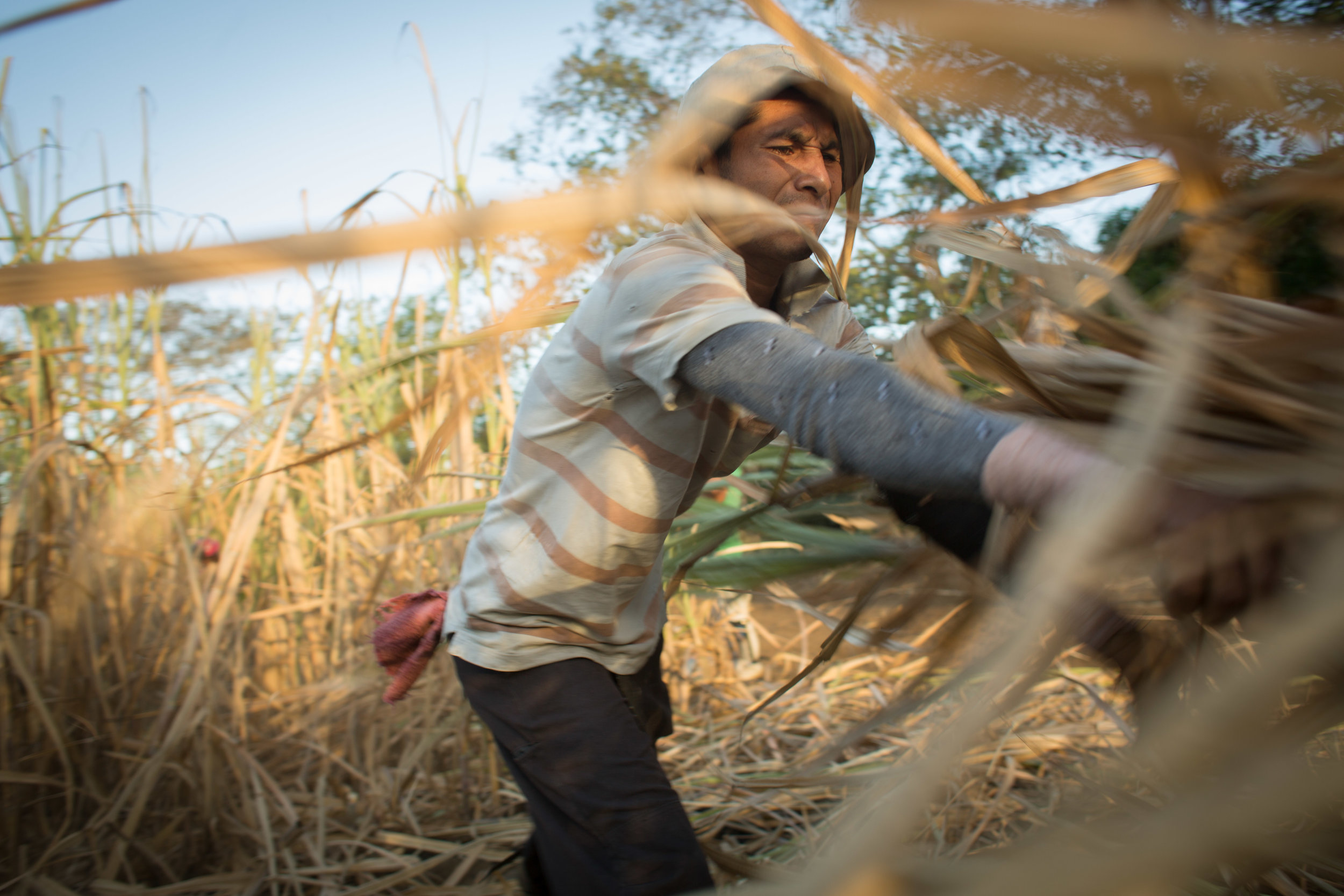
The small city of Chichigalpa in Nicaragua is known for its rum that derives from the many sugar cane fields. Around 2014-2015 reports starting coming out that an uncommon high number of young males were being affected by chronic kidney disease (CKDu). Many of the workers thought at the time that it had somthing to do with chemicals used in the fields or contaminated water, but researchers have not yet managed to figure out what exactly was the main cause that so many getting ill and in worst case suffer death from chronic kidney disease.
Reports have shown in later years that similar cases of CKDu are found in other parts of the world, such as in India. The common denominator seems to be that most people affected are poor in hard working conditions living in countries with high degree of heat.
More of the industry is today more aware of giving their workers access to clean water, shade and frequents breaks from what is a physically demanding job.
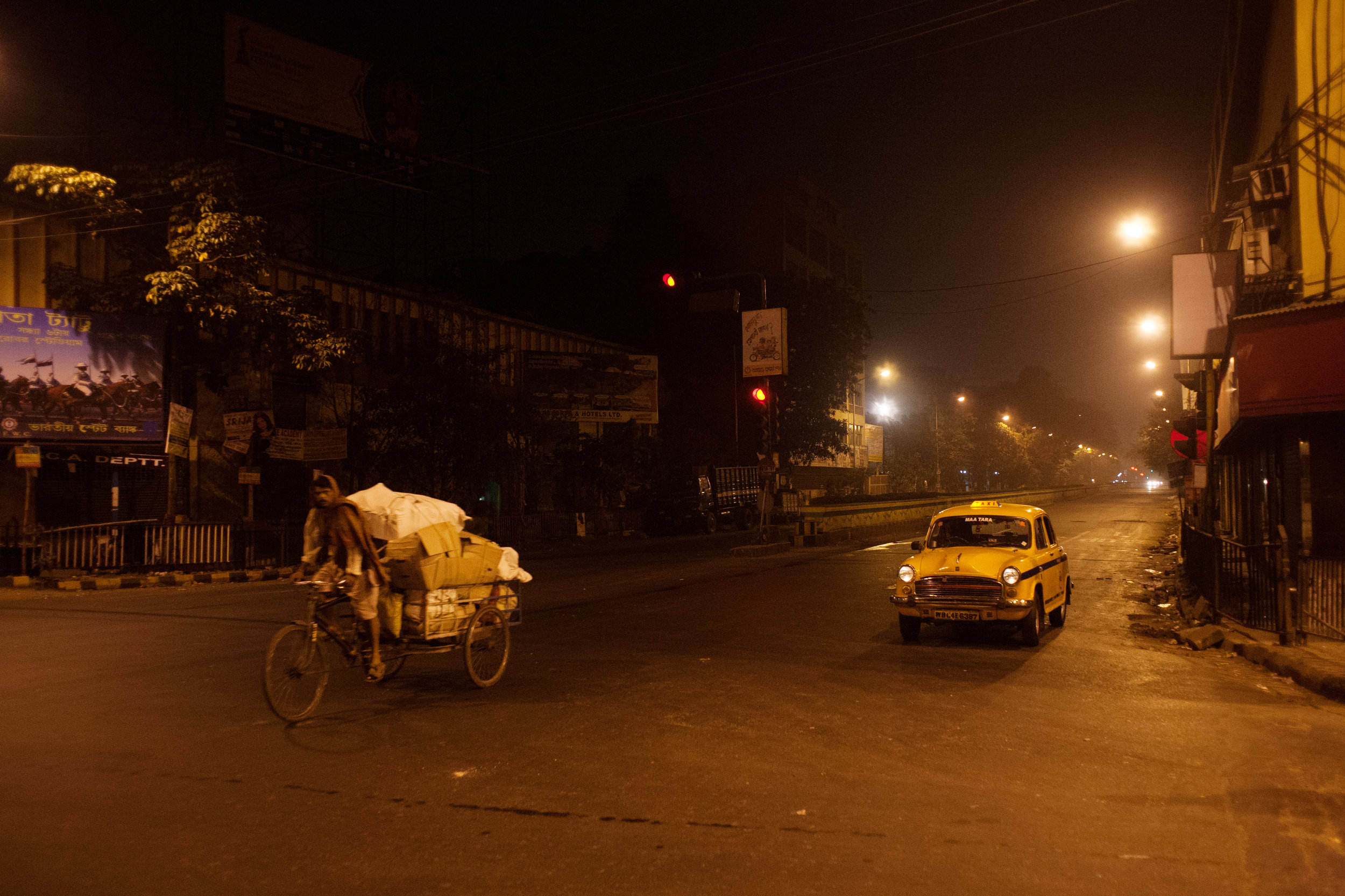
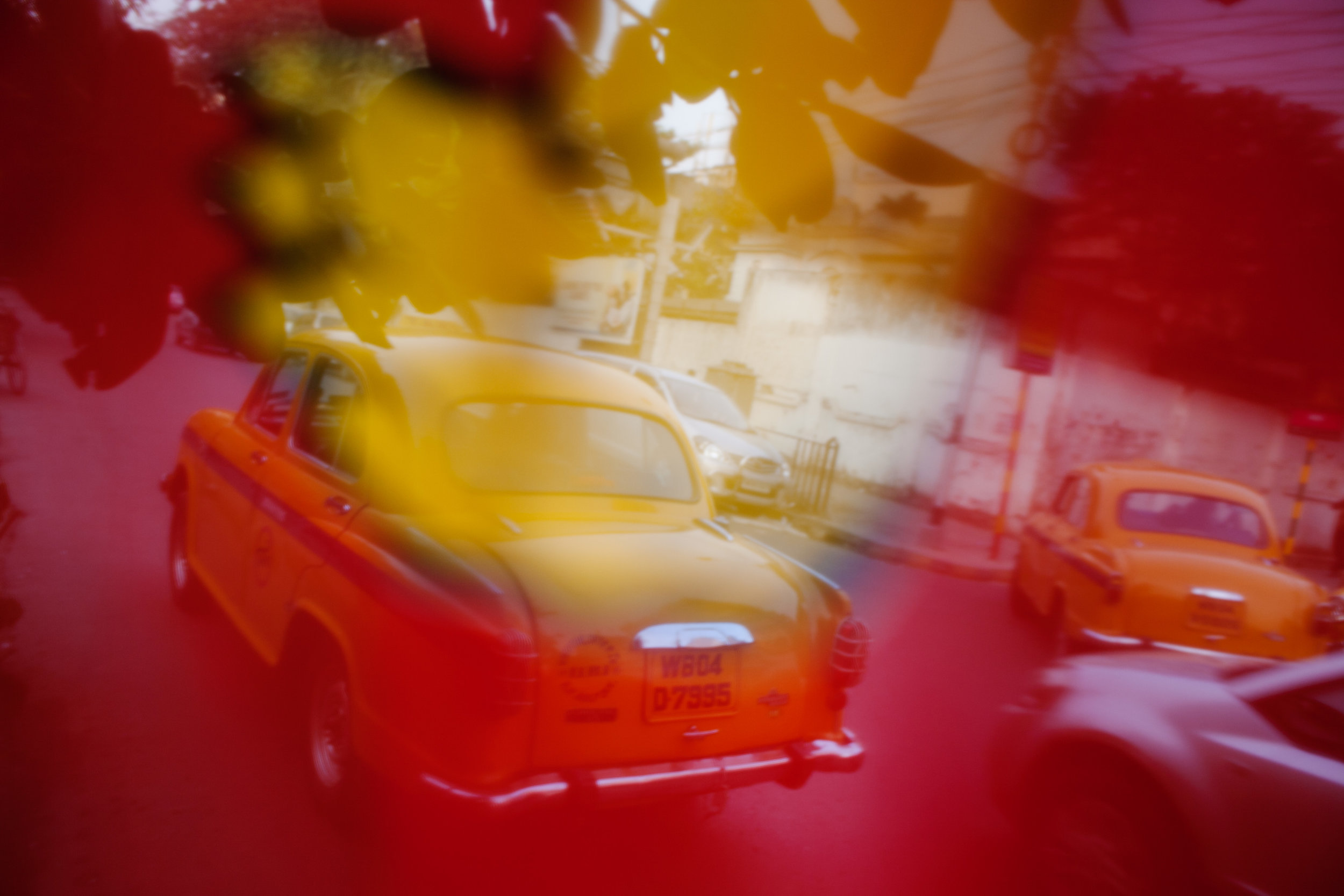
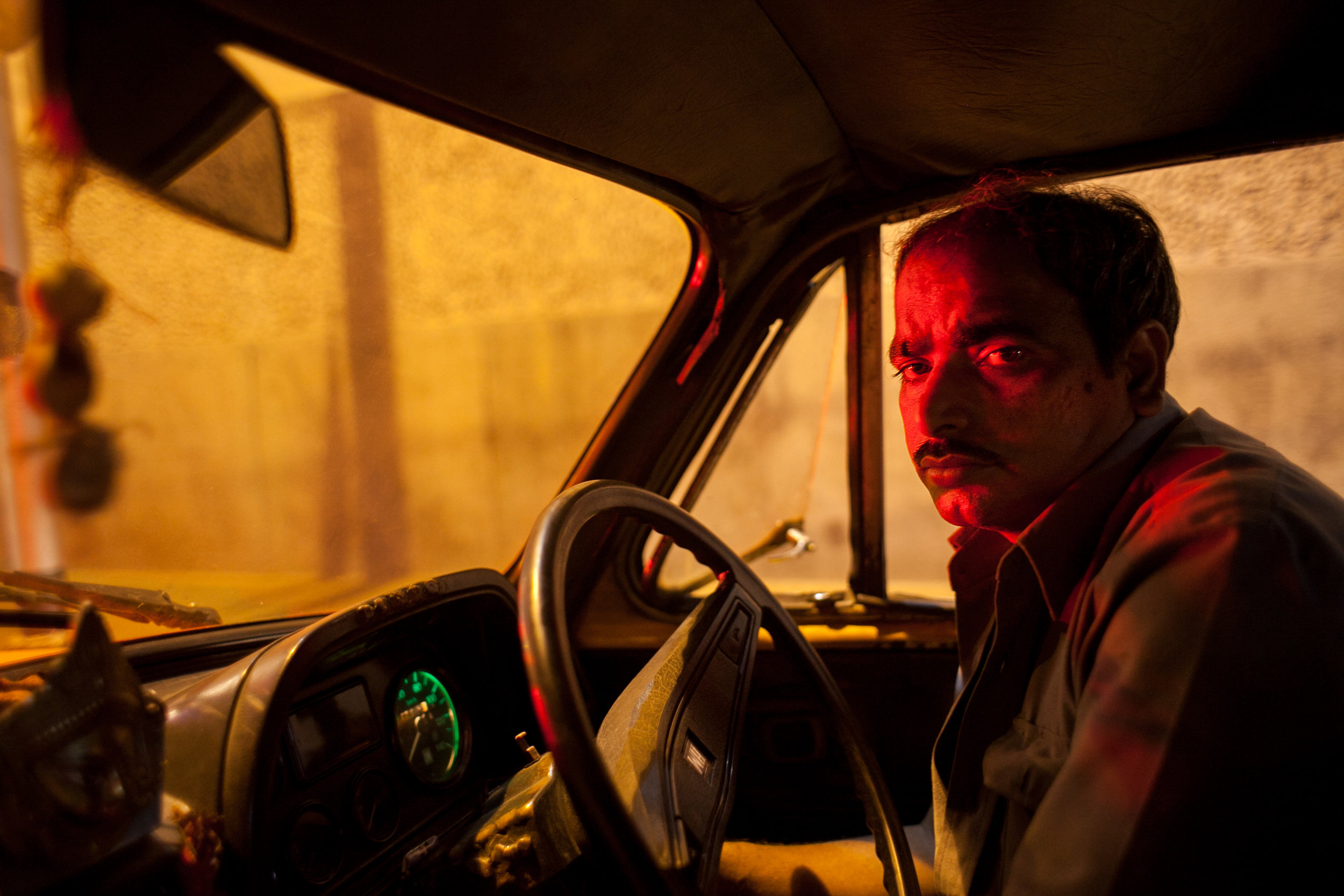
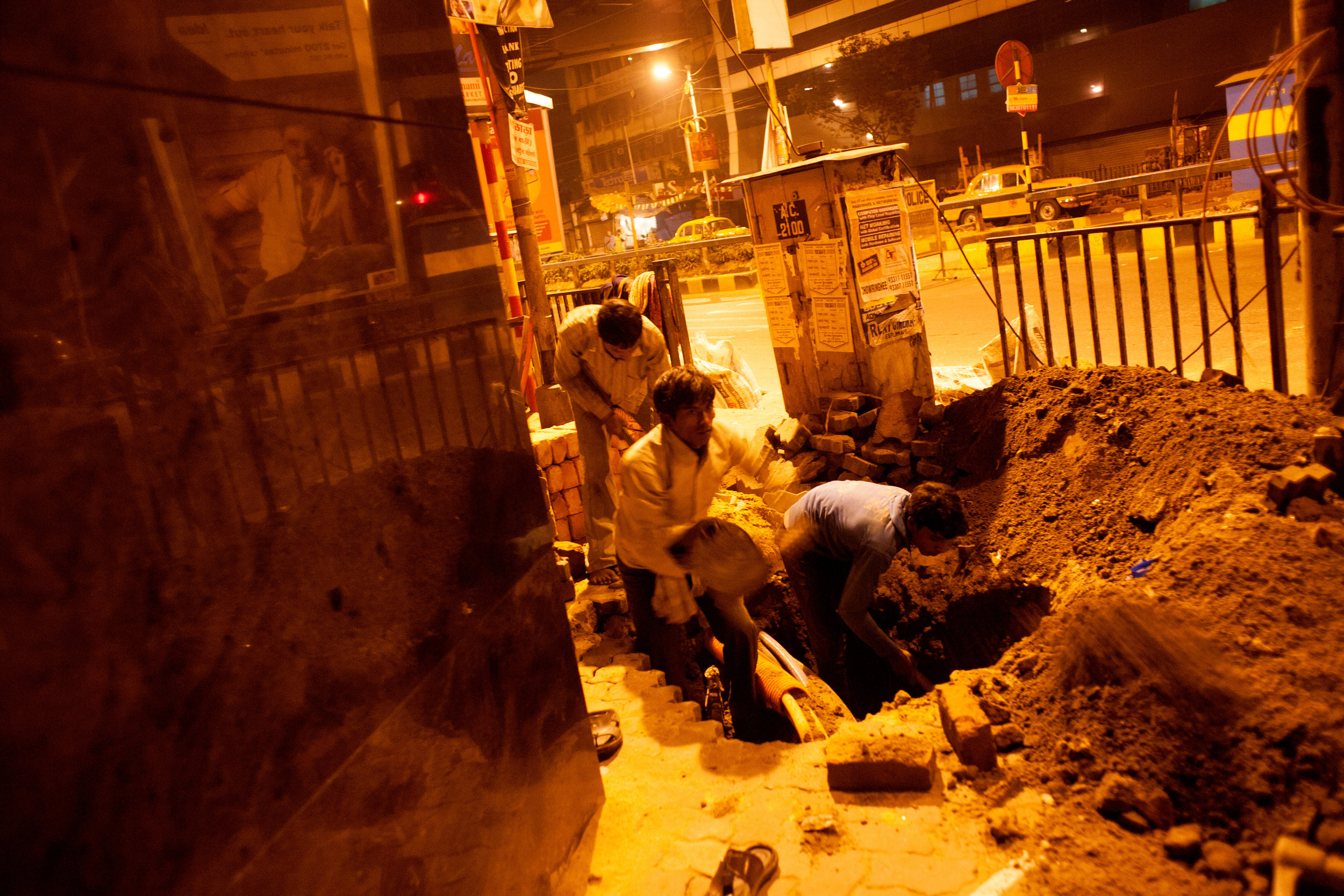
With the rise of other services such as Über and Ola the iconic ambassador taxis of Kolkata are struggling. My visit to this city in India would never had been the same with out the yellow shades that lurk in every corner..
A collaboration with the NGO Unge funksjonshemmede. Young people with disabilities are tired of not being seen as complete individuals who also have a sexuality.
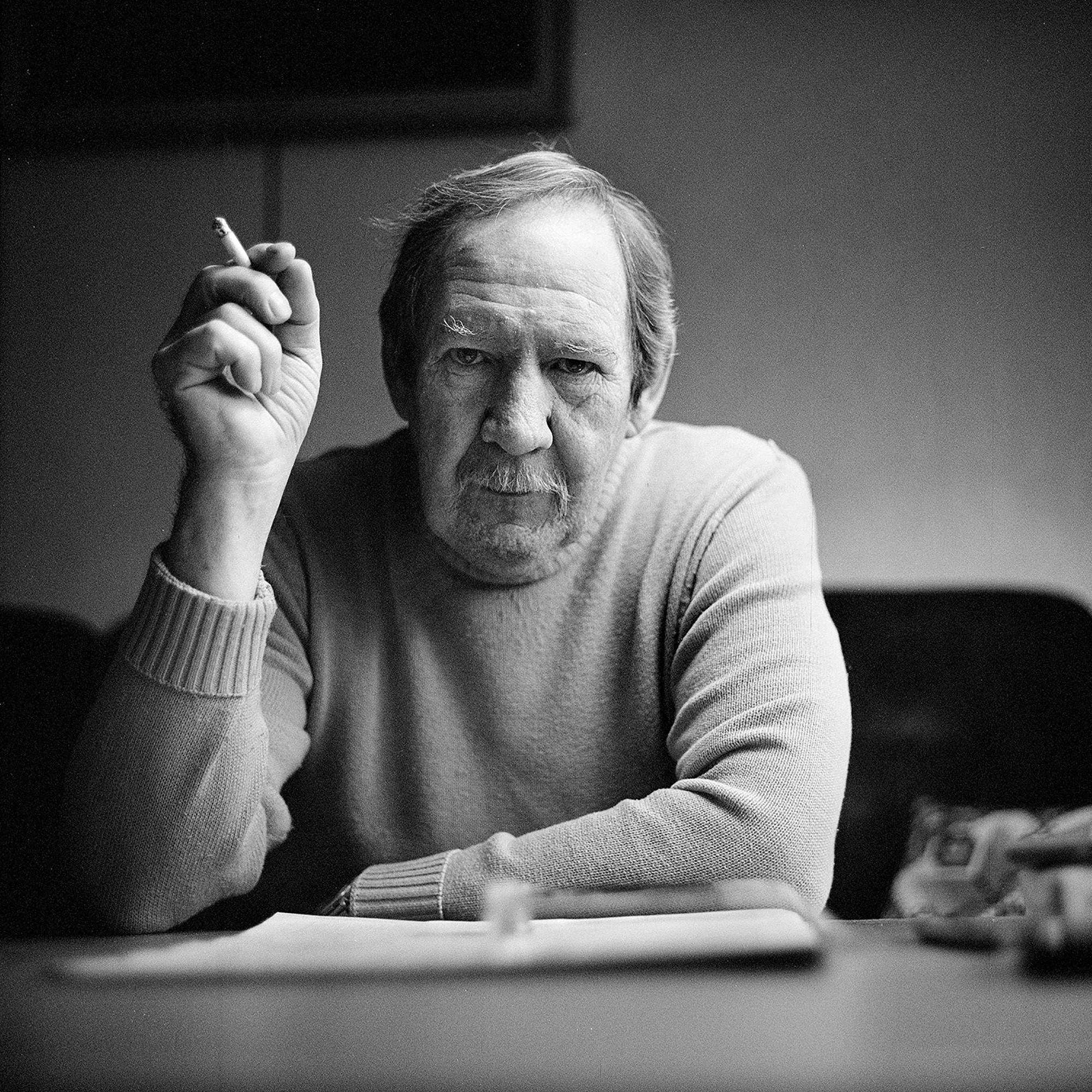
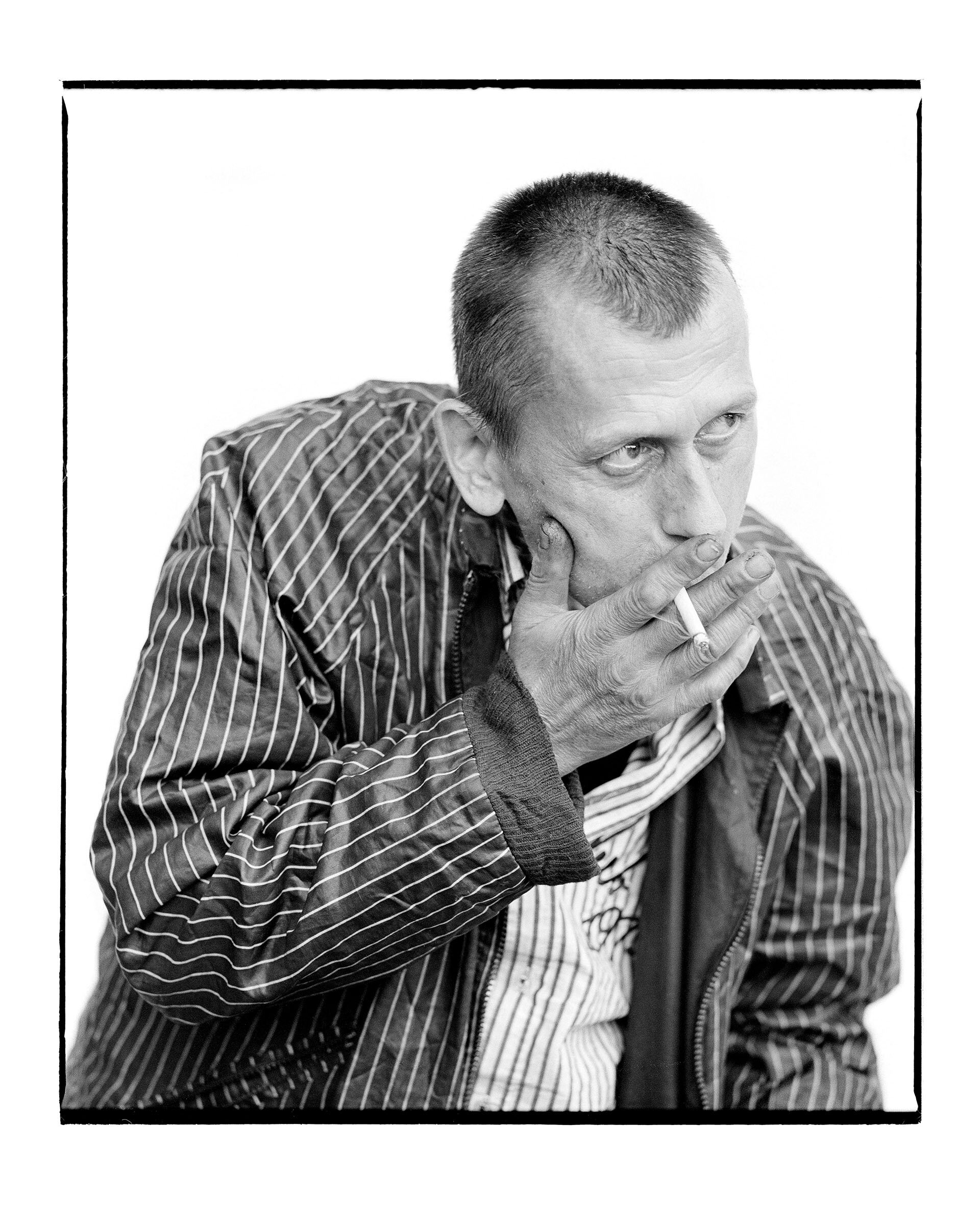
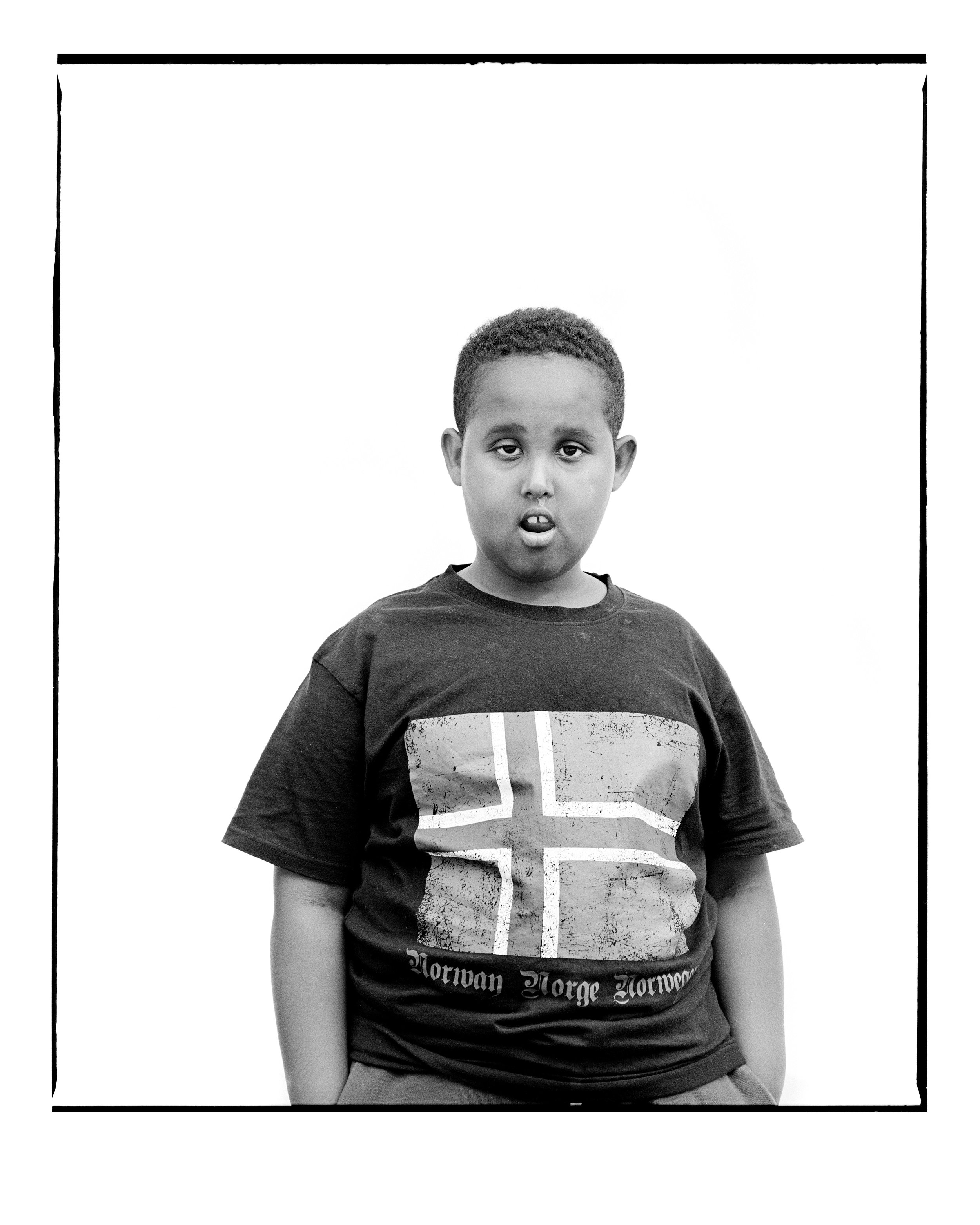
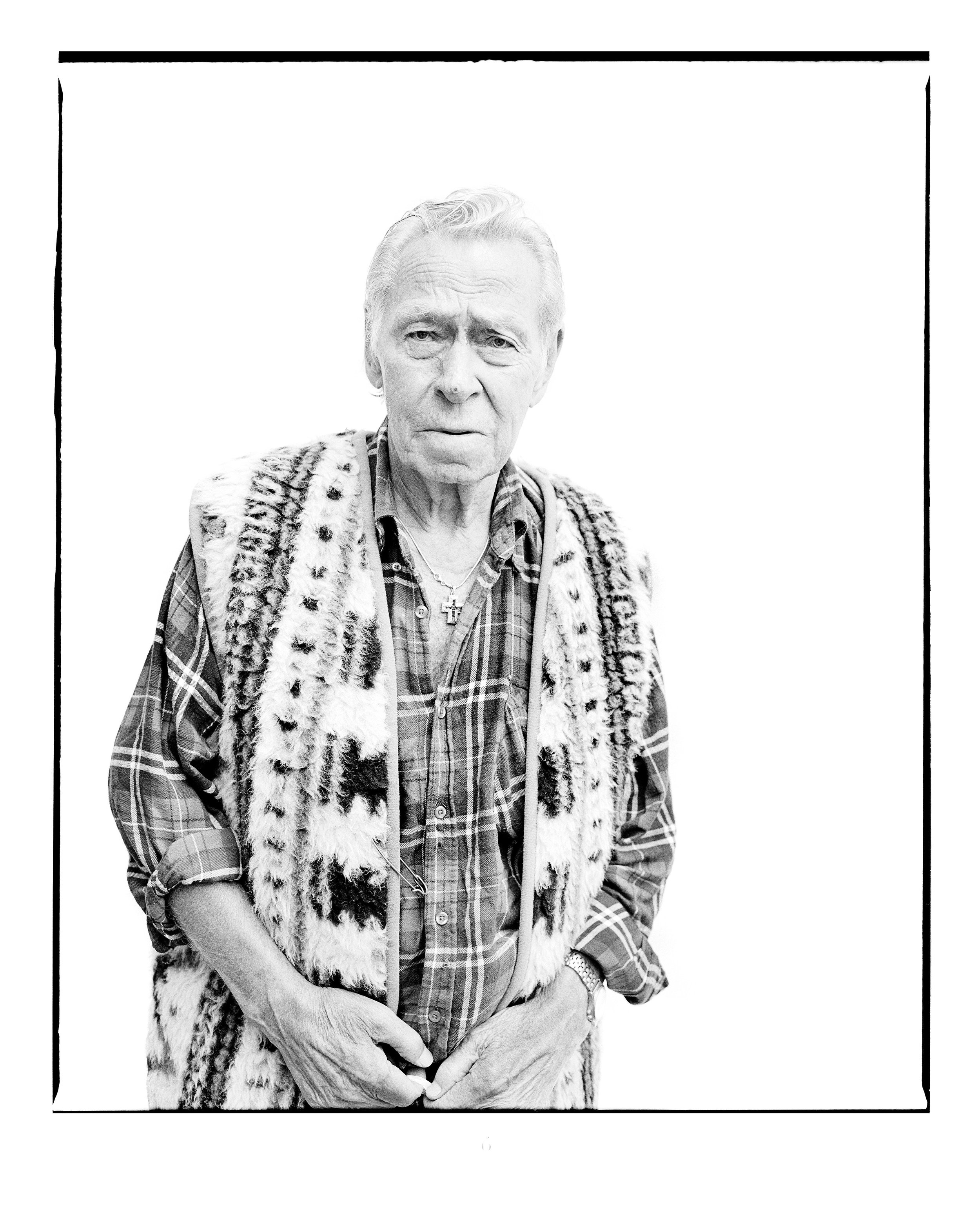
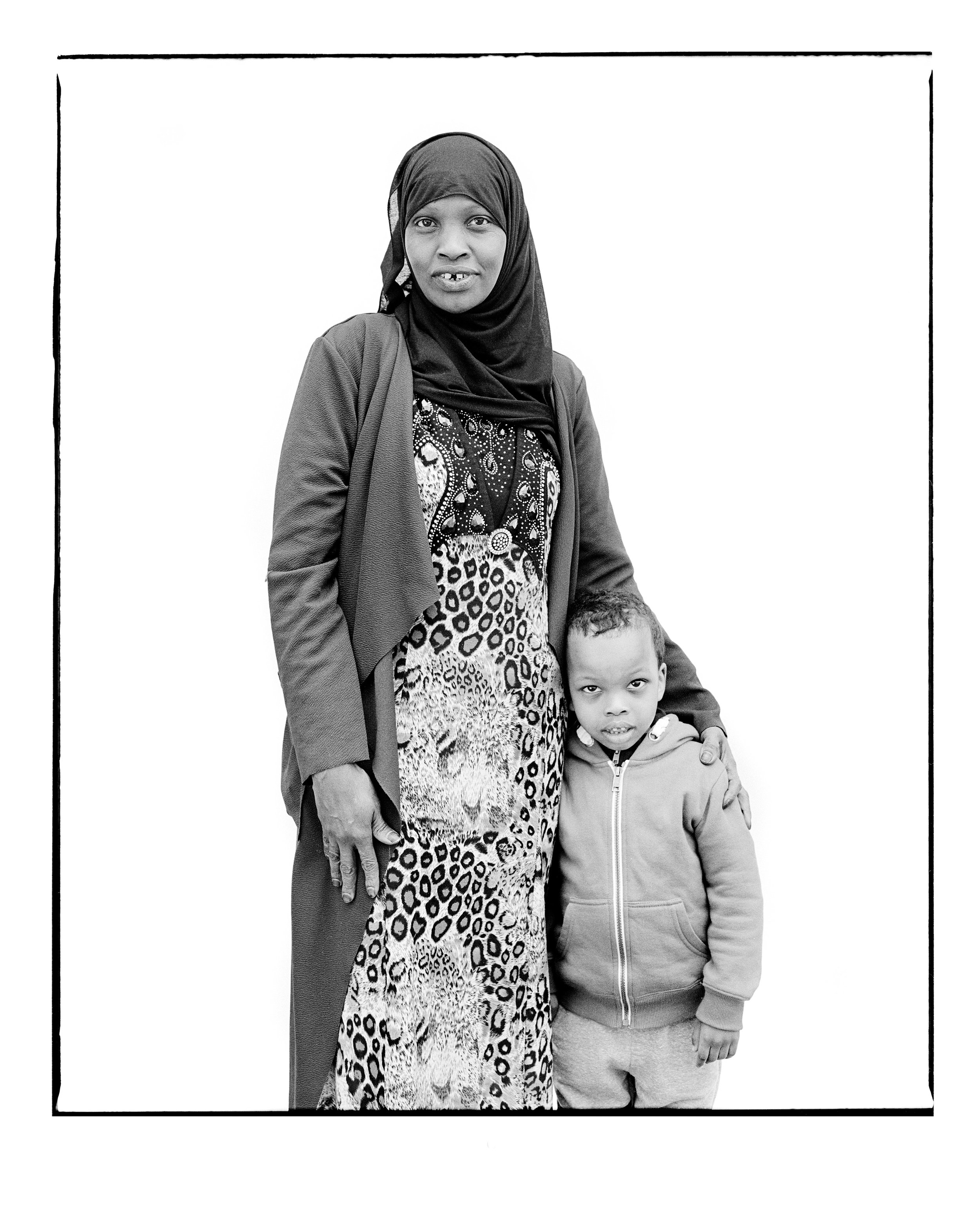
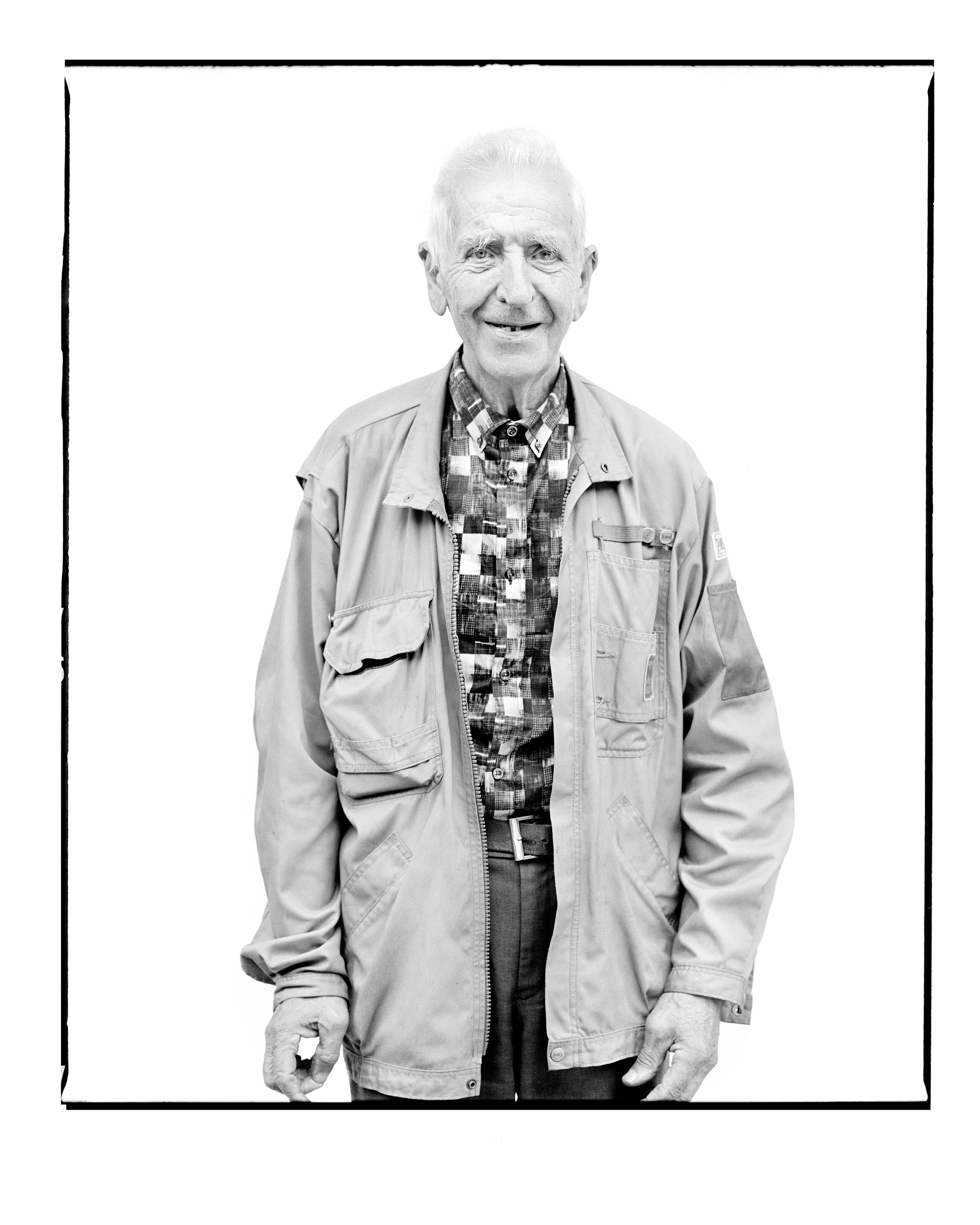
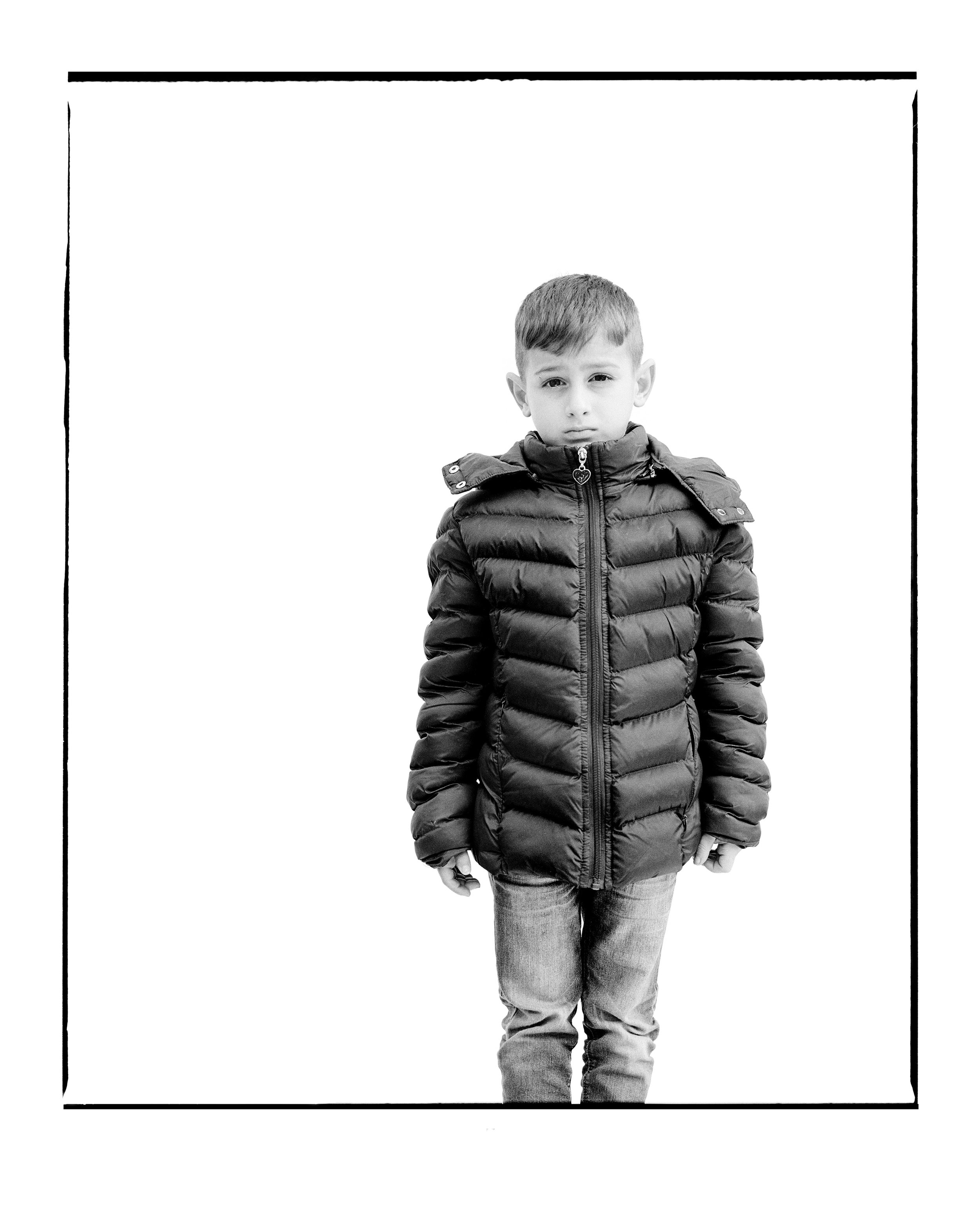
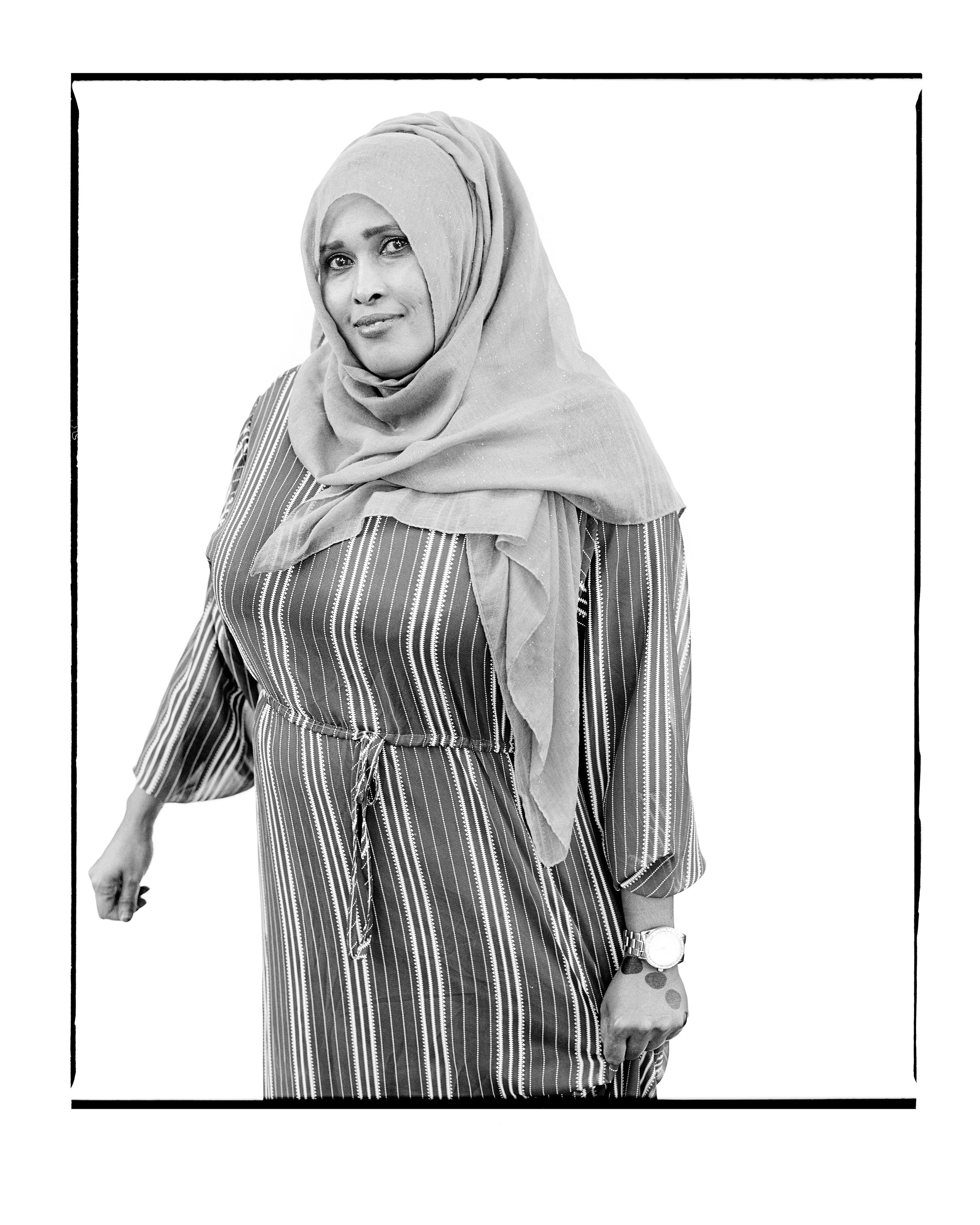
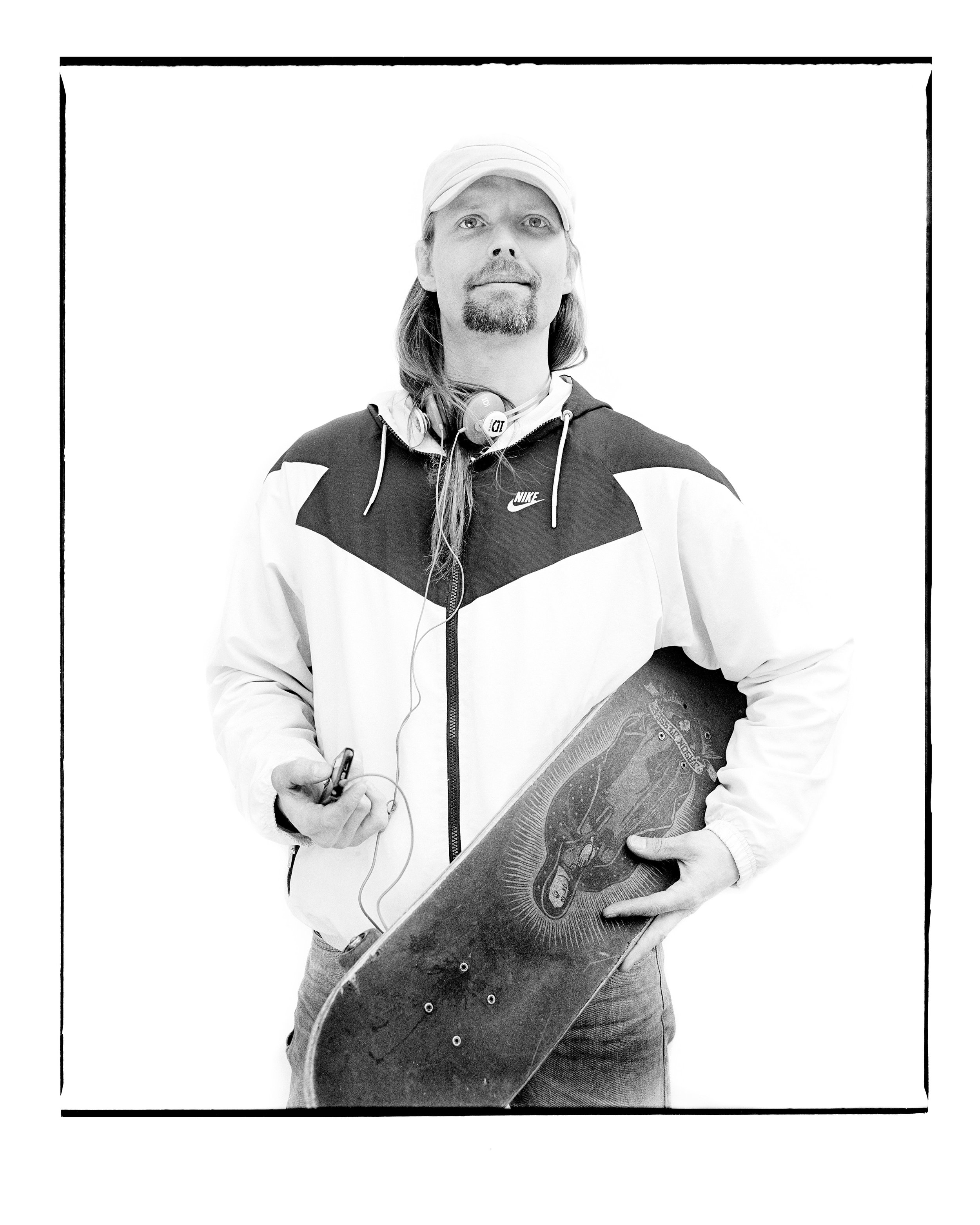
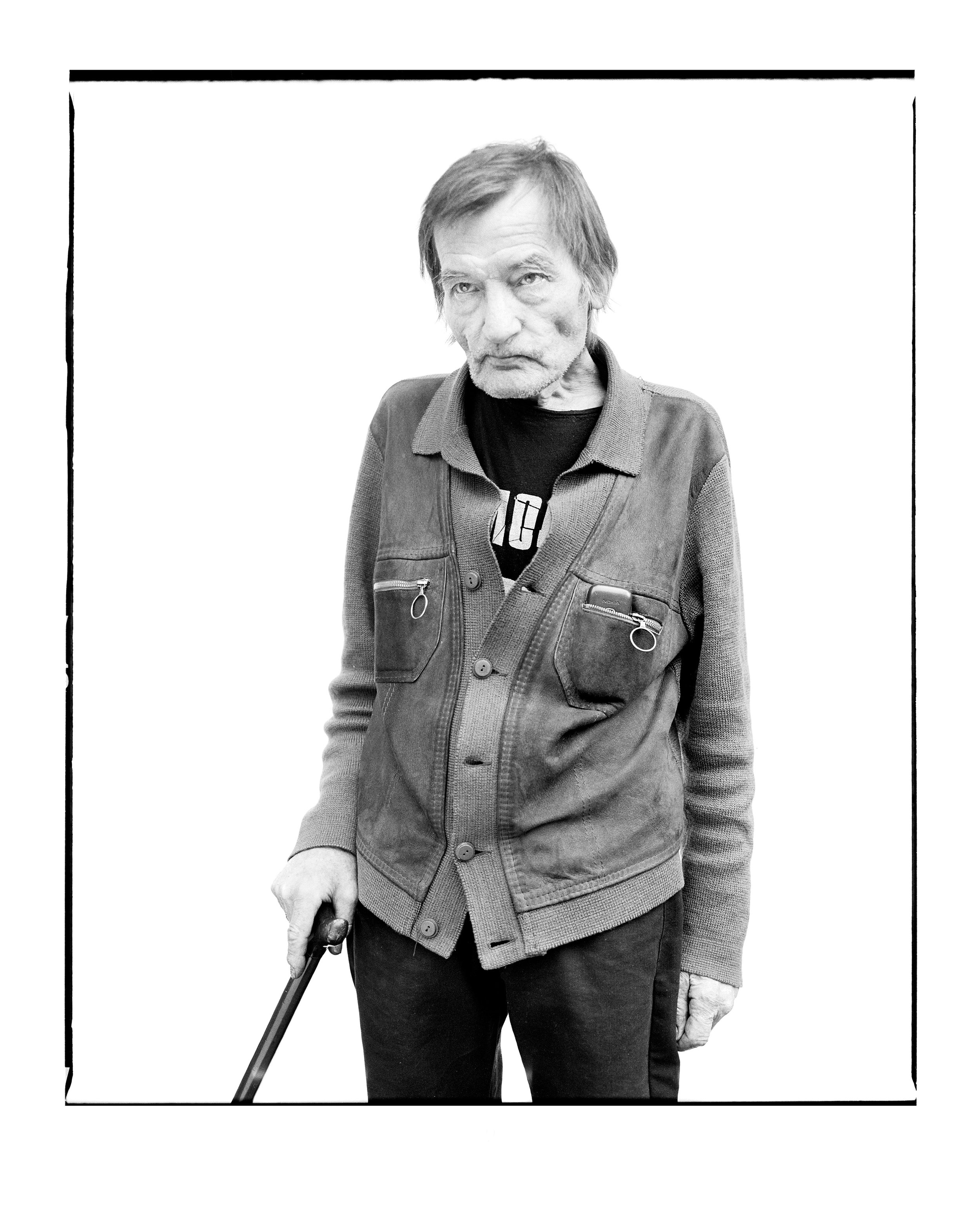
“Øyenhøyde” means at same eye level in Norwegian. These are meetings with people living in Torshov, Oslo. People that just wanted to be seen next to a white backdrop, deleting all context.